- +91 63054 35011
- info@medtx.in/operations@medtx.in
- HYD, TS

Brain Tumour Surgery
Brain tumor surgery is a procedure to remove abnormal growths in the brain, either partially or completely. It is performed to relieve symptoms, prevent further growth, and improve neurological function. Depending on the tumor’s location and type, techniques like craniotomy or minimally invasive methods may be used. Recovery involves monitoring and rehabilitation, which may include physical therapy or speech therapy. Early intervention can improve outcomes and enhance the patient’s quality of life.

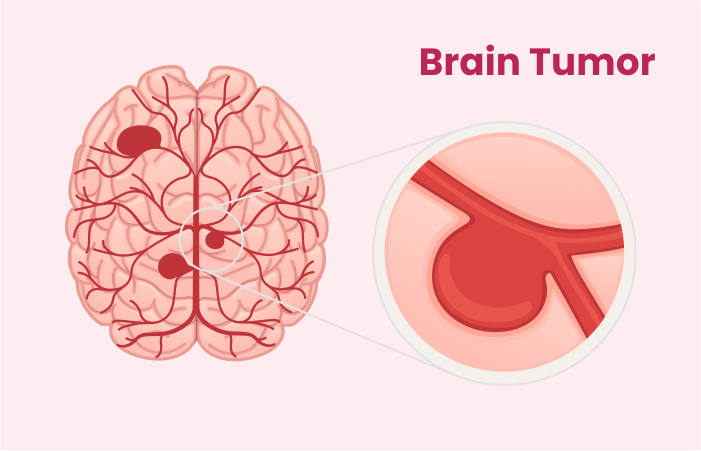
What is Brain Tumour Surgery?
Brain tumour surgery is a medical treatment that removes abnormal growths from the brain. It is a critical treatment for brain tumors that alleviates symptoms, improves the patient’s quality of life, and may extend their survival. Let’s look at the purpose and significance of brain tumour surgery. MedTX Hospitals offers low-cost brain tumor procedures in Hyderabad.
Why is Brain Tumour Removal Surgery Performed?
Brain tumor surgery is undertaken for a variety of reasons. To begin, it tries to remove the tumor mass, thereby relieving pressure on the brain and easing related symptoms such as headaches, seizures, and neurological impairments. Second, surgery provides for a more specific diagnosis by collecting a tissue sample for analysis, which aids in determining the type of tumor and guiding subsequent treatment selections. Additionally, in certain situations, total tumor excision may result in a cure or enhance the patient’s prognosis.
How to Prepare for Brain Tumour Operation?
Preparation is critical to a successful brain tumor surgery.
- Consultation and Evaluation: Meet with Hyderabad’s top neurosurgeons who specialize in brain tumor surgery. They will assess your condition, review your medical history, and do any required diagnostic tests to establish the best course of action.
- Medical Optimization: Follow your physician’s directions for any preoperative medications, lifestyle changes, or dietary restrictions. Before undergoing surgery, be sure that any pre-existing medical issues are appropriately treated.
- Emotional and supportive preparation: Brain tumor surgery can be emotionally taxing. Seek help from loved ones, join support groups, or consider counseling to help you cope with the stress and anxiety that comes with the treatment.
- Understanding the process: Discuss the surgical process with your healthcare practitioner. Understand the potential dangers, benefits, and anticipated recovery time. This will allow you to make more informed judgments and set reasonable expectations.
More About Brain Tumour Surgery
The success rate of brain tumour surgery varies based on the tumor’s location, size, and features. Common surgical techniques include craniotomy, endoscopic surgery, and stereotactic radiosurgery. Your neurosurgeon will choose the best strategy for your unique circumstance. Furthermore, advances in surgical technology and imaging have dramatically improved surgical accuracy and patient outcomes.
Consequences of Delaying Brain Tumour Surgery
Delaying brain tumor surgery can lead to significant repercussions. As time passes, the tumour may continue to develop, causing greater pressure within the brain. This can lead to a loss of brain function, worsening symptoms, and potentially fatal complications. Early intervention through timely surgery provides the best opportunity for successful tumor removal and a better prognosis.
Frequently Asked Questions (FAQs)
Brain tumour surgery is a medical operation that removes tumors or abnormal growths in the brain. The goal of the treatment is to remove as much of the tumor as possible while maintaining brain function. Depending on the type, size, and location of the tumour, the surgeon may use a craniotomy, a minimally invasive treatment, or a mix of procedures to access and remove it.
The type, size, and location of the tumor, as well as the individual's overall health, all influence whether or not a person is suitable for brain tumour surgery. A thorough examination by a neurosurgeon is required to decide whether surgery is a realistic option. To choose the appropriate course of action, the neurosurgeon will look at the tumor's features, the patient's medical history, and any potential dangers.
Brain tumor surgery, like any other invasive procedure, involves risks and potential problems. Infection, bleeding, blood clots, harm to surrounding brain tissue, neurological impairments, brain swelling, and abnormalities in cognitive or physical function are all possibilities. The neurosurgeon will go over these risks in detail during the preoperative appointment to ensure that the patient is completely informed.
The recovery period after brain tumor surgery varies depending on the degree of the surgery, the location of the tumor, and the individual's overall health. The initial hospital stay can be a few days to a week, followed by a period of rest and rehabilitation. It might take weeks or months to regain strength, and rehabilitation programs are typically recommended to aid with recovery.
The long-term consequences of brain tumor surgery are determined by a variety of factors, including the tumor kind, location, and surgical success. In some cases, total tumour excision may result in a cure. In other circumstances, surgery may be part of a multimodal treatment plan that includes radiation therapy, chemotherapy, or targeted medicines. Regular follow-up visits with the healthcare team are critical for tracking improvement and managing any potential recurrence.