- +91 63054 35011
- info@medtx.in/operations@medtx.in
- HYD, TS

Ovarian Cyst Removal Surgery
Ovarian cyst removal surgery is a procedure to remove cysts that form on or inside the ovaries. It is performed when cysts cause pain, are large, or pose risks like rupture or cancer. The surgery can be done through minimally invasive laparoscopy or open surgery, depending on the cyst’s size and condition. Recovery typically takes a few weeks, with most patients resuming normal activities soon. The procedure helps relieve symptoms and preserves ovarian health in most cases.

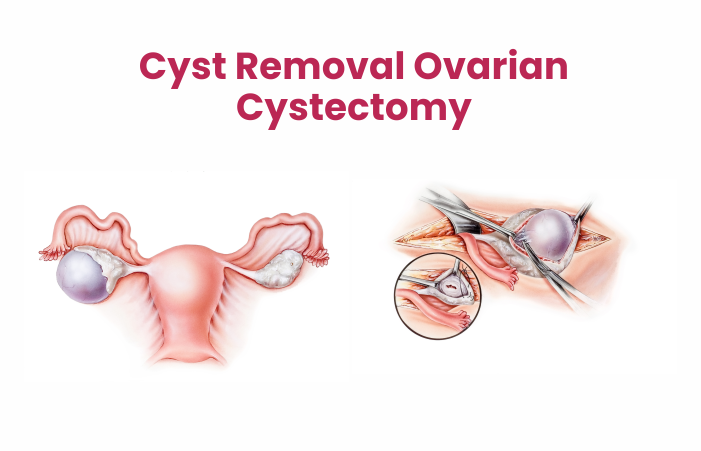
What is Ovarian Cyst Removal Surgery?
Ovarian cystectomy is a surgical treatment used to remove cysts that form on the ovaries. It is usually done when cysts are large, create persistent pain, are at risk of rupture, or are thought to be malignant.
The two major procedures to ovarian cyst removal surgery are standard open surgery and less invasive laparoscopic surgery.
Why is Ovarian Cyst Removal Surgery Performed?
- Symptomatic Cysts: Large cysts can cause substantial discomfort, pain, bloating, or pressure on adjacent organs, requiring surgical removal.
- Risk of Rupture: Cysts that are at risk of rupturing, particularly those with a diameter more than 5 cm, are usually removed to avoid consequences including internal bleeding or infection.
- Cancer Concerns: If there is a suspicion of ovarian cancer or the existence of complicated cysts, surgical excision may be required for further investigation and treatment.
Prepare for Ovarian Cyst Removal Surgery
- Consultation and Evaluation: Your gynaecologist or surgeon will review your medical history, do a physical examination, and prescribe additional tests like ultrasounds or blood work to establish the size of the cyst and the best surgical technique.
- Preoperative Instructions: Your surgeon may ask you to refrain from eating or drinking for a specific period of time prior to operation.
- Medication Management: Inform your healthcare provider of any drugs, supplements, or herbal treatments you are currently using, as they may need to be modified prior to surgery.
- Arrangements and Support: Plan your transportation to and from the hospital, and consider having someone join you for support during the procedure and recovery time.
More About Ovarian Cystectomy Surgery
Laparoscopic Cystectomy Surgery is a minimally invasive treatment that involves making small incisions and inserting a laparoscope (a thin, illuminated tube) to guide the surgeon in eliminating the cyst. When compared to open surgery, this approach usually leads in a faster recovery and less scarring.
Open Surgery: In some circumstances, such as when the cyst is too large or complex for a laparoscopic technique, traditional open surgery is necessary. This procedure requires a bigger incision in the abdomen, giving the surgeon direct access to the ovaries for cyst removal.
Consequences of Delaying Ovarian Cyst Removal Treatment
- Increased Pain and Discomfort: Postponing surgery might prolong the symptoms of ovarian cysts, which include pelvic pain, abdominal discomfort, and bloating.
- Rupture and Complications: Larger cysts are more likely to rupture, which can cause extreme discomfort, internal bleeding, infection, or adhesions (scar tissue).
- Impact on Fertility: Some ovarian cysts can interfere with fertility, and postponing their removal may reduce the odds of conceiving naturally.
- Cancer Progression: If a cyst is suspected of being malignant and left untreated, it may progress and spread to other places of the body, making effective treatment more difficult.
Frequently Asked Questions (FAQs)
Ovarian cyst removal surgery, also called ovarian cystectomy, is a surgical treatment used to remove cysts that form on or within the ovaries. It can be performed either traditional open surgery or minimally invasive laparoscopic surgery.
The duration of ovarian cyst removal surgery varies based on the cyst's size and intricacy, as well as the surgical method used. The operation can last anywhere from 30 minutes to several hours.
Ovarian cyst removal surgery, like any other surgical operation, comes with dangers. Potential consequences include bleeding, infection, organ damage, scar tissue formation (adhesions), and, in rare situations, ovarian harm. It is critical to discuss these risks with your surgeon before the procedure.
Recovery duration varies from person to person, although the recovery period after ovarian cystectomy is typically brief. Most people can resume normal activities after laparoscopic surgery and return to work within a week or two. Open surgery may require a significantly longer recovery period.
Cysts may return following surgery. However, the likelihood of recurrence is determined by several factors, including the type of cyst, underlying diseases, and individual health. Your surgeon can provide additional information regarding your unique condition and any preventive measures that can be implemented.
Remember to check with a healthcare expert if you have any specific questions or concerns about ovarian cyst removal surgery.