- +91 63054 35011
- info@medtx.in/operations@medtx.in
- HYD, TS

Endometrial Ablation
Endometrial ablation is a minimally invasive procedure to remove or destroy the lining of the uterus (endometrium) to treat heavy or abnormal uterine bleeding. It is typically recommended for women who do not wish to have more children. The procedure uses techniques like heat, freezing, or radiofrequency energy and is performed on an outpatient basis. Recovery is quick, with most patients resuming normal activities in a few days. Endometrial ablation significantly reduces bleeding and improves quality of life.

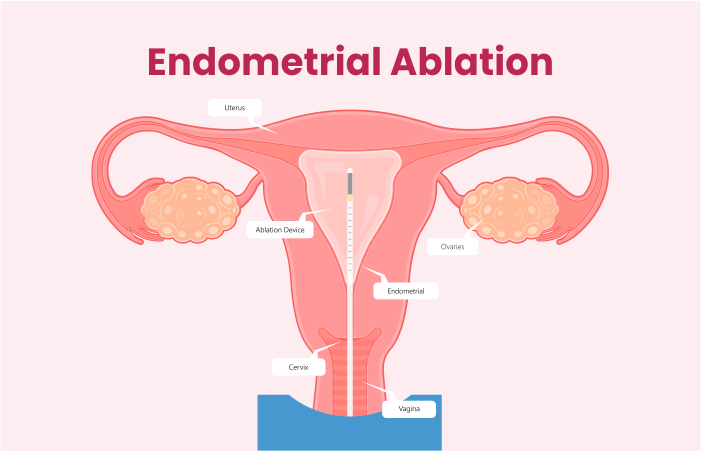
What is Endometrial Ablation?
If you are suffering severe or prolonged monthly bleeding and want a non-surgical cure, endometrial ablation may be the answer. As the best endometrial ablation treatment hospital in Hyderabad, we specialize in providing cutting-edge endometrial ablation treatments to assist women find relief from painful monthly symptoms and reclaim control of their life.
Why is Endometrial Ablation Performed?
Endometrial ablation is commonly performed on women who have severe monthly bleeding, also known as menorrhagia, which considerably impairs their quality of life. The technique is appropriate for ladies who have finished their childbearing or do not wish to have any more children. Endometrial ablation may be indicated after more conservative treatments, such as pharmaceutical or hormonal therapy, have failed to offer adequate relief.
How to Prepare for Endometrial Ablation?
Preparing for endometrial ablation entails a few critical actions to guarantee a successful treatment and recovery. Your healthcare expert at our Hyderabad center will walk you through the procedure, which may include:
- Initial Consultation: During your consultation, your healthcare professional will review your medical history, perform a physical examination, and go over your symptoms thoroughly. This information will help you decide if endometrial ablation is the right treatment for you.
- Preoperative Evaluation: You may be subjected to examinations, such as an ultrasound or hysteroscopy, to assess the status of your uterus and rule out any underlying abnormalities or disorders.
- Medication evaluate: Your healthcare practitioner will evaluate your current medications, including any blood thinners, and advise you on which ones to continue or cease before to the surgery.
- Preoperative Instructions: You will be given detailed instructions for fasting before the procedure, organizing transportation to and from the clinic, and making any necessary preoperative preparations.
Consequences of Delaying Endometrial Ablation
Delaying endometrial ablation treatment might have serious effects for your quality of life and general health. By seeking appropriate management, you can avoid the following complications linked with untreated menorrhagia:
- Impaired Quality of Life: Heavy menstrual bleeding might disrupt your daily routine, social life, work productivity, and overall well-being. Seeking endometrial ablation treatment can help you recover control and improve your overall health.
- Anemia: Chronic heavy monthly bleeding can develop in iron deficiency anemia, which causes exhaustion, weakness, shortness of breath, among other symptoms. Endometrial ablation can minimize or eliminate excessive bleeding, preventing the onset or worsening of anemia.
- Limited Treatment Options: Postponing endometrial ablation may need continuing reliance on drugs, hormone treatments, or other temporary alternatives. These therapies may only provide temporary relief and do not address the root cause of severe bleeding.
- Unnecessary Suffering: Living with prolonged or excessive monthly flow can lead to emotional anguish, anxiety, and a lower sense of well-being. Endometrial ablation can help you get rid of these symptoms while also improving your mental health.
Frequently Asked Questions (FAQs)
The time of the endometrial ablation operation varies based on the technology employed and the individual patient. On average, the operation takes between 30 and 60 minutes.
Endometrial ablation is intended to provide long-term relief for severe menstrual bleeding. While it is quite effective in lowering or eliminating menstrual flow, it should be noted that it may not be a long-term solution for everyone. Some women may experience recurrent menstrual bleeding in the future.
Endometrial ablation is not indicated for women who plan to have children in the future. The technique is meant for ladies who have finished their childbearing or do not want to have any more children. Endometrial ablation considerably diminishes the chances of conception while also increasing the risk of pregnancy problems.
Endometrial ablation is usually regarded as a safe technique. However, like with any medical procedure, there are some hazards involved. Infection, hemorrhage, uterine perforation, organ damage, and anesthesia-related side effects are all possible. Your healthcare practitioner will explain these risks with you and take necessary precautions to reduce them.
Recovery from endometrial ablation is usually simple and needs little downtime. Most women can return to normal activities after a day or two of the operation. You may experience minor cramping, spotting, or discharge for a few days to weeks. Your healthcare provider will give you post-procedure instructions as well as any pain relief medications you may require.