- +91 63054 35011
- info@medtx.in/operations@medtx.in
- HYD, TS

ERCP Surgery
Endoscopic retrograde cholangiopancreatography (ERCP) is a procedure used to diagnose and treat problems in the bile ducts, pancreas, and gallbladder. It combines endoscopy and X-rays to locate issues like blockages, stones, or tumors. The surgeon inserts a flexible tube through the mouth into the digestive tract to access the bile or pancreatic ducts. Treatment may involve removing stones, placing stents, or relieving obstructions. ERCP is minimally invasive, and recovery is typically quick with proper post-procedure care.

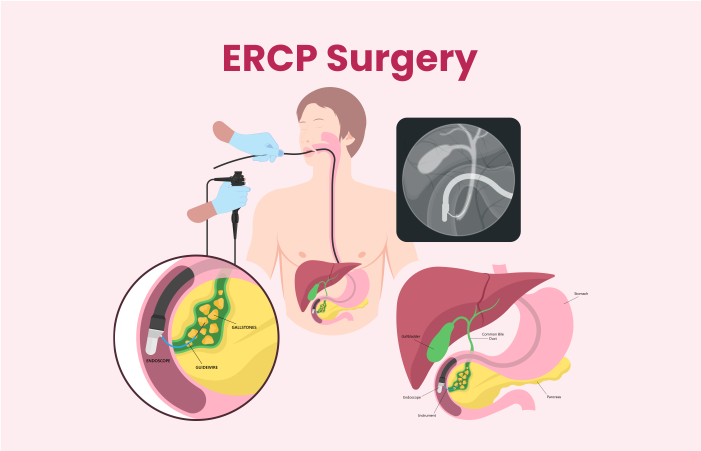
What is ERCP Surgery?
Endoscopic Retrograde Cholangiopancreatography (ERCP) surgery may be the solution you’re looking for. Best ERCP Surgery Hospitals in Hyderabad, our expert medical professionals specialize in performing modern ERCP operations to diagnose and treat a variety of digestive system disorders.
Why is ERCP Surgery
Performed?
ERCP surgery is used for a variety of causes, including:
- Gallstone Removal: ERCP is used to remove gallstones that have moved from the gallbladder and become trapped in the bile ducts. This method avoids the need for conventional open surgery.
- Diagnosis and Treatment of Bile Duct Disorders: ERCP can be used to evaluate and treat a variety of bile duct diseases, including blockages, strictures, and leaks.
- Pancreatic Disorder Management: ERCP can help diagnose and treat several pancreatic problems, such as chronic pancreatitis, pancreas divisum, and pancreatic duct leakage.
How to Prepare for
ERCP Surgery?
To ensure a safe and successful ERCP surgery, a few steps must be taken before the process. Your healthcare expert at our Hyderabad center will walk you through the procedure, which may include:
- Appointment and Evaluation: During your initial appointment, your healthcare professional will examine your medical history, do a physical examination, and explain the purpose and expected consequences of the ERCP procedure. They will also discuss potential dangers and rewards.
- Fasting Instructions: To ensure an empty stomach, you will be required to fast for a set period of time before to operation. This is vital for lowering the chance of complications during the surgery.
- Medication Review: Tell your doctor about any medications or supplements you are currently taking. They will advise you on which ones to continue or temporarily quit before the surgery.
- Anesthesia and Sedation: ERCP is usually performed with conscious sedation or general anesthesia. Your healthcare professional will discuss the best option for you depending on your medical history and specific requirements.
- More about ERCP surgery and the consequences of delaying treatment.
ERCP surgery can give major benefits while also preventing potential problems. Delaying or avoiding the process can have the following consequences: - Persistent Symptoms: Gallstones or bile duct obstructions can produce long-term symptoms such as abdominal pain, jaundice, or recurring infections. Delaying treatment increases your discomfort and may lead to additional issues.
- Increased Risks: Certain illnesses, if not managed, can lead to severe problems. For example, untreated gallstones can cause inflammation of the gallbladder or pancreas, infection, or bile duct obstruction. Prompt ERCP surgery can help prevent these dangers.
- Underlying ailment Progression: If treatment is delayed, the underlying ailment may deteriorate over time. This may necessitate more intensive interventions or procedures to successfully address the condition.
- Influence on Quality of Life: Symptoms associated with bile duct or pancreatic problems can have a major influence on your ability to complete everyday activities, work, or enjoy your favorite pastimes. ERCP surgery allows for improved symptom control and a higher quality of life.
Frequently Asked Questions (FAQs)
The time of an ERCP operation can vary based on the intricacy of the case and the precise intervention necessary, but on average, it takes between 30 minutes and an hour.
ERCP surgery is usually conducted under general anesthesia or conscious sedation to ensure your comfort during the treatment. You may feel some slight discomfort or bloating afterward, but any severe pain can be handled with suitable pain drugs.
ERCP surgery, like any other medical procedure, is not without dangers. These can include pancreatitis (pancreatic inflammation), infection, hemorrhage, gastrointestinal tract perforation, or anesthesia-related complications. Serious consequences are uncommon, and your healthcare professional will take efforts to reduce risk.
Each person's recovery time from ERCP surgery differs. Most patients can return to normal activities after a day or two of the treatment. However, you may be recommended to refrain from vigorous activity and heavy lifting for a few days to allow your body to recover.
In most situations, ERCP surgery is performed as an outpatient procedure, which means you can return home the same day. However, in some cases, such as when additional operations or interventions are required, an overnight hospital stay may be advised.