- +91 63054 35011
- info@medtx.in/operations@medtx.in
- HYD, TS

Fistula Treatment
Fistula treatment focuses on managing abnormal connections between two organs or tissues, commonly occurring in the anal area. Surgical options include fistulotomy, which opens the fistula to heal naturally, or advanced techniques like seton placement or flap procedures to preserve sphincter function. In some cases, minimally invasive methods like fibrin glue or plugs are used. Recovery depends on the procedure but often involves proper wound care and follow-ups. Early treatment prevents complications and restores normal function.

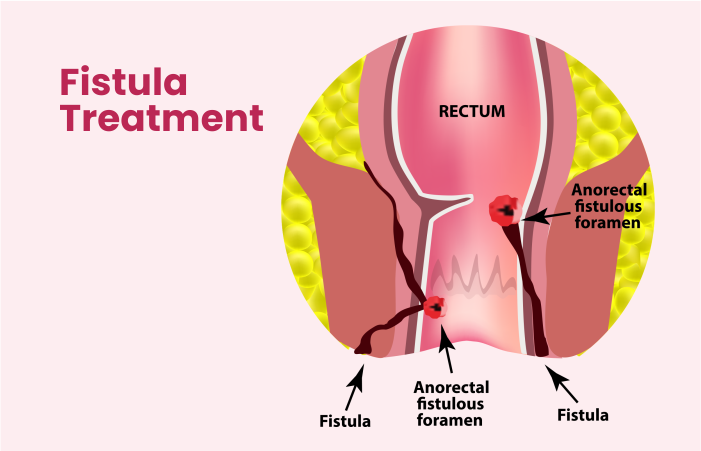
What is Fistula Treatment?
Fistula treatment refers to the medical procedures and surgical interventions used to rectify and manage fistulas, which are improper connections between two human organs or between an organ and the skin. Fistulas can form in a variety of locations throughout the body, including the rectum, anus, vagina, bladder, and intestine. They are frequently caused by infections, traumas, inflammatory disorders, or consequences from prior procedures. MedTX Hospitals offer high-success rate operations.
Why is Fistula Treatment Performed?
Fistula therapy is necessary for a variety of reasons. First and foremost, fistulas can cause patients tremendous discomfort, suffering, and anxiety. They may cause chronic infections, urinary or fecal incontinence, and a lower quality of life. Second, if left untreated, fistulas can lead to serious problems such abscesses, sepsis, and organ damage. Thus, finding timely treatment is critical to avoiding further issues and improving overall health.
How to Prepare for Fistula Treatment?
Before undergoing fistula treatment, contact with a skilled healthcare expert who specializes in fistula management. They will assess your illness, do diagnostic tests, and provide a specific treatment plan. The preparatory process may include:
- Medical Evaluation: The healthcare professional will evaluate your medical history, do a physical examination, and request diagnostic testing to determine the degree and location of the fistula.
- Preoperative directions: Depending with the kind of fistula and treatment technique, you may be given special directions on food restrictions, drugs to avoid, or bowel preparation.
- Discussing Treatment choices: The healthcare professional will describe the various treatment choices available for your disease, including fistulotomy surgery, anal fistulotomy, rectovaginal fistula treatment, and obstetric fistula therapies. They will go over the benefits, dangers, and predicted outcomes of each surgery, so you can make an informed decision.
More About Fistula Treatment
Fistula treatment procedures vary depending on the location, size, and intricacy of the fistula, as well as the patient’s overall health. Here are a few common approaches:
- Fistulotomy Surgery: Fistulotomy is a surgical treatment in which the fistula tract is sliced open and allowed to heal from the inside out. It is commonly used for simple, low-risk fistulas.
- Fistula Surgery for Dialysis: Hemodialysis fistulas, which enable access to kidney dialysis, may necessitate specialist surgical operations to build or repair the fistula connection, ensuring effective dialysis treatment.
- Treatment of Fistula Piles: Fistula piles, also called as anal fistulas, can be treated surgically with procedures such as fistulotomy or fistulectomy, which remove contaminated tissue and reconstruct the fistula tract.
Consequences of Fistula Treatment
Fistula therapy can have a number of favorable consequences, including:
- Relief from Symptoms: By addressing the underlying cause and mending the fistula, treatment can reduce pain, discomfort, and other bothersome symptoms of the illness.
- Complication Prevention: If the fistula is not treated promptly, it can lead to infections, abscesses, and organ damage.
- Improved Quality of Life: Successful treatment can dramatically improve a patient’s general well-being by recovering their ability to participate in everyday activities, eat normally, and restore control of body functions.
Frequently Asked Questions (FAQs)
Your healthcare provider will provide you with specific post-operative instructions and guidelines to promote proper healing and minimize complications. The recovery time after fistula treatment can range from a few weeks to a few months, depending on the type and complexity of the procedure, as well as individual factors.
Fistula therapy, like any other surgical operation, has the risk of consequences. These can include infection, hemorrhage, injury to neighboring structures, fistula recurrence, and anesthetic difficulties. However, your healthcare professional will take the necessary precautions and disclose any potential hazards with you prior to treatment. It is critical to follow their recommendations and report any unexpected symptoms or concerns right away.
The requirement for several treatments is determined by your fistula's individual characteristics, location, and treatment technique. In rare circumstances, a single surgical procedure may be sufficient to effectively treat the fistula. However, complex or recurring fistulas may necessitate several treatments, including further surgeries or procedures. Your healthcare practitioner will analyze your situation and recommend the best treatment strategy for you.
Coverage for fistula treatment may differ based on your insurance carrier and the terms of your coverage. It is recommended that you contact your insurance carrier directly to determine the amount of reimbursement for fistula therapy. Furthermore, our hospital can help you with the insurance verification process and offer documents to support your claim.
It is simple to schedule a fistula treatment appointment at our Hyderabad hospital. To arrange an appointment, please call our dedicated appointment helpline or visit our hospital's website. Our team will walk you through the procedure, assist you set up a convenient date and time, and provide any necessary pre-appointment instructions.
The adenoids are lymphoid tissues located in the back of the nasal channel, near the Eustachian tube opening. Adenoidectomy surgery removes oversized or infected adenoids. This operation is commonly performed for persistent or recurrent infections, chronic nasal congestion, restricted breathing, sleep apnea, or reoccurring ear infections.
Adenoidectomy surgery is usually conducted under general anesthesia. The surgeon gains access to the adenoids through the mouth, with no exterior incisions. The adenoids are gently removed with specialized equipment. The procedure is relatively rapid, usually taking 30 minutes or less. After the surgery, the patient is watched in the recovery area before being discharged.
The recuperation period following adenoidectomy surgery is usually uncomplicated. A sore throat, minor discomfort, and a low-grade fever may occur for a few days after surgery. Over-the-counter pain medicines, throat lozenges, and plenty of rest can all help reduce discomfort. To ensure optimal healing, follow the surgeon's postoperative instructions, which may include dietary suggestions and activity limitations.
Adenoidectomy surgery is typically safe, however like with any surgical operation, there are certain risks and problems. Bleeding, infection, breathing difficulties, voice changes, nasal regurgitation, and adenoid tissue recurrence are all possible outcomes. It is critical to discuss these risks with your physician prior to surgery and to seek emergency medical assistance if any odd symptoms or complications arise.
The benefits of adenoidectomy surgery are typically obvious within a few weeks of the procedure. Breathing may become more comfortable, nasal congestion may improve, and symptoms such as snoring or sleep apnea may be reduced. However, individual results may differ. It is essential that you follow up with your surgeon to check your progress and resolve any concerns or persistent problems.