- +91 63054 35011
- info@medtx.in/operations@medtx.in
- HYD, TS

Gallbladder Stone Removal Surgery
Gallbladder stone removal surgery, or cholecystectomy, is a procedure to remove the gallbladder due to painful gallstones or related complications like inflammation or infection. It is typically performed using a minimally invasive laparoscopic method, ensuring smaller incisions and quicker recovery. The surgery alleviates symptoms like abdominal pain, nausea, and digestive issues caused by gallstones. Recovery usually takes 1-2 weeks, with most patients resuming normal activities shortly after. This procedure prevents future stone formation and related health risks.

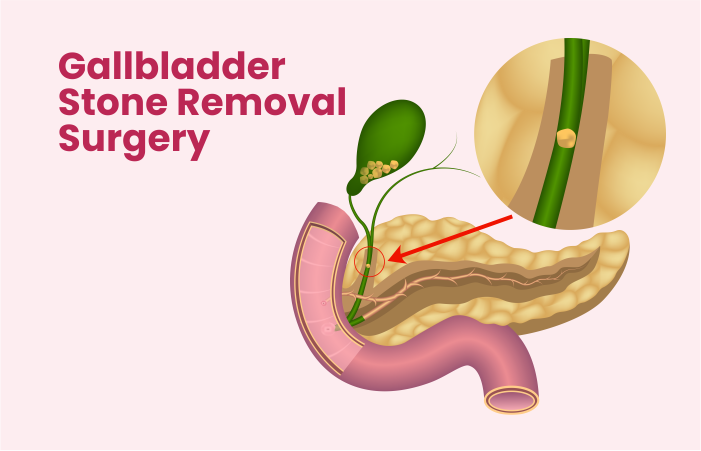
What is Gallbladder Stone Removal Surgery?
Gallbladder stone removal surgery, often called cholecystectomy, is a surgical treatment that removes gallstones from the gallbladder. Gallstones are hardened deposits that accumulate in the gallbladder, causing discomfort, inflammation, and other problems.
Why Is Gallbladder Stone Removal Surgery Performed?
Gallbladder stone removal surgery is performed for a variety of reasons.
- Gallstone Symptoms: Surgery is recommended if gallstones cause severe abdominal discomfort, nausea, vomiting, bloating, or jaundice.
- Gallstone Complications: Surgery may be required if gallstones cause gallbladder inflammation (cholecystitis), gallbladder infection (cholecystitis), or bile duct blockage (choledocholithiasis).
- Recurring Gallstone Attacks: If a person suffers from recurrent bouts of gallstone-related discomfort or problems, surgery may be recommended to prevent future incidents.
How to Prepare for Gallbladder Stone Removal Surgery
Preparing for gallbladder stone removal surgery consists of numerous steps:
- Medical Evaluation: Your healthcare practitioner will evaluate your overall health, do diagnostic tests, and review your medical history to determine whether surgery is necessary and appropriate for your needs.
- Preoperative Instructions: Prior to surgery, you will be given instructions for fasting, medication modifications, and any necessary bowel preparation.
- Consent and education: Your healthcare team will describe the surgical procedure, its risks, and complications, as well as address any questions or concerns you may have. Before proceeding with the surgery, informed consent will be requested.
More About Gallbladder Stone Removal Surgery
- Surgical options for gallbladder stone removal include laparoscopic cholecystectomy and open cholecystectomy.
- Laparoscopic: cholecystectomy involves removing the gallbladder through small incisions and using specialist equipment. An open cholecystectomy involves making a wider incision in the belly to remove the gallbladder.
- Anesthesia: The operation is usually performed under general anesthesia, which means you will be sleeping and painless throughout the process.
- Recovery and Follow-up: Following surgery, you will spend time in a recovery area before being discharged. You may feel some pain and discomfort at first, but this is manageable with medicine. Follow-up sessions will be scheduled to monitor your recovery and prevent problems.
Consequences of Delaying Gallbladder Stone Removal Surgery
- Recurrent Symptoms: Postponing gallbladder stone removal surgery might result in recurring bouts of gallstone-related pain, discomfort, and problems, which can have an impact on your daily life and health.
- Increased Complication Risk: If left untreated, gallstones can cause serious consequences such as gallbladder infection, inflammation, or bile duct obstruction. These issues can be more difficult to manage and may necessitate more invasive treatments.
- Emergency Situations: Untreated gallstones can cause a sudden and severe condition known as acute cholecystitis, necessitating emergency surgery. Delaying surgery raises the likelihood of encountering such crises.
Frequently Asked Questions (FAQs)
Gallstone removal surgery, commonly known as cholecystectomy, is a technique that removes gallstones from the gallbladder. It can be done via open surgery or minimally invasive procedures like laparoscopic cholecystectomy.
If you have significant abdominal discomfort, nausea, vomiting, or jaundice, your doctor may consider gallbladder stone removal surgery. Diagnostic methods like as ultrasound and other imaging techniques can detect the existence of gallstones.
Laparoscopic cholecystectomy has numerous advantages over open surgery. It involves creating little incisions rather than a major abdominal cut, which results in less discomfort, less scarring, a shorter hospital stay, faster recuperation, and a quicker return to normal activities than traditional open surgery.
Gallbladder stone removal surgery, like any other surgical operation, is not without danger. Infection, hemorrhage, damage to surrounding structures, bile duct injury, bile leakage, and hernia formation are all possible complications. However, significant problems are uncommon, and your surgeon will take the required procedures to reduce these risks.
The recovery period following gallbladder stone removal surgery differs from person to person. After a laparoscopic cholecystectomy, patients can usually return home the same day or the next day. Recovery usually entails managing pain and discomfort, taking prescribed medications, gradually resuming a normal diet, and gradually increasing physical activity according to your doctor's directions.