- +91 63054 35011
- info@medtx.in/operations@medtx.in
- HYD, TS

Hernia Surgery
While a hemorrhoidectomy aims to permanently remove hemorrhoids, there is a small chance that new hemorrhoids will form in the future. Following a high-fiber diet, practicing good bowel habits, staying hydrated, and avoiding prolonged sitting or straining during bowel movements can all help prevent hemorrhoids from recurring.

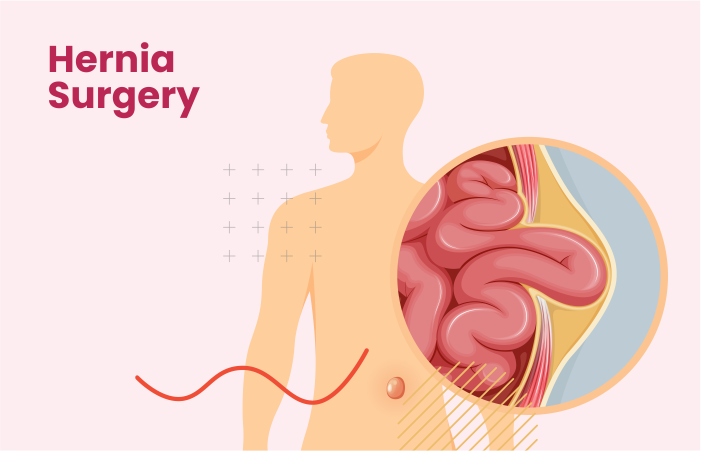
What is a Hernia?
A hernia develops when an organ or tissue pushes through a weak point or opening in the surrounding muscle or connective tissue. This can leave a noticeable protrusion or lump in the affected area. Hernias are most typically found in the abdomen or groin. MedTX Hospitals offer high-success rate hernia repair surgery.
Why is Hernia Repair Surgery Performed?
Hernia repair surgery is done for numerous reasons:
- Symptom Relief: Hernias can cause pain, discomfort, and trouble doing regular tasks. Surgery is intended to reduce these symptoms and improve quality of life.
- Complication Prevention: If hernias are not treated, they can cause major complications such as strangulation or incarceration, in which the herniated organ or tissue becomes trapped and blood flow is disrupted. Surgery can help prevent these consequences.
- Cosmetic Concerns: In some situations, hernias can generate visible bulges or lumps, which people may want treated for cosmetic reasons.
How to Prepare for Hernia Surgery
Preparing for surgery consists of various steps:
- Medical Evaluation: Your healthcare professional will evaluate your overall health, review your medical history, and perform a physical examination to establish the kind and severity of the hernia.
- Preoperative Instructions: Prior to surgery, you will be given instructions for fasting, medication modifications, and any necessary bowel preparation.
- Consent and Education: Your healthcare team will describe the surgical process, its risks and consequences, and expected outcomes, as well as answer any questions or concerns you have. Before proceeding with the surgery, informed consent will be requested.
More About Hernia Surgery
- Surgical Techniques: Hernias can be repaired using a variety of techniques, including open surgery and laparoscopic surgery. The approach used is determined by the size and location of the hernia, the surgeon’s experience, and the individual patient’s needs.
- Anesthetic: The procedure is usually performed under general or local anesthetic with sedation. The type of anesthesia used will be determined by the hernia, your overall health, and the surgeon’s recommendation.
- Recovery and Follow-up: Following surgery, you will spend time in a recovery area before being released. Pain medication, activity limits, and wound care instructions may be given. Follow-up appointments will be organized to monitor your recovery and treat any postoperative issues.
Consequences of Delaying Hernia Repair Surgery
Increased Risk of Complications: Delaying hernia repair surgery increases the risk of problems connected with hernias, such as incarceration or strangling. These problems might result in significant pain and tissue damage, necessitating immediate surgery.
Worsening Symptoms: Hernias typically deteriorate over time, producing greater pain, discomfort, and trouble performing activities. Delaying surgery can exacerbate these symptoms and their effects on daily living.
Potential for Larger Hernias: Hernias can get larger over time, complicating surgical repair and possibly necessitating further surgeries or approaches.
Frequently Asked Questions (FAQs)
Hernia repair surgery is a treatment used to correct a hernia, which occurs when an organ or tissue pushes through a weak area in the surrounding muscle or connective tissue. The procedure tries to return the herniated organ or tissue to its proper position while also strengthening the damaged area to prevent future herniation.
If you have a symptomatic hernia that causes pain, discomfort, or interferes with your everyday activities, your doctor may advise you to get it repaired. Common symptoms include a noticeable bulge or lump, pain at the hernia site, and digestive problems. Your doctor will assess your condition and offer the best treatment option.
There are several types of hernia repair surgeries, including open and laparoscopic surgery. Open repair entails making an incision directly over the hernia site, whereas laparoscopic repair is a minimally invasive procedure that employs a camera and specialized instruments inserted through small incisions. The type and location of the hernia, among other considerations, influence the decision of surgery.
Recovery from hernia repair surgery varies based on the type of surgery performed, the size and location of the hernia, and the individual's healing capacity. In general, patients should expect pain and discomfort in the days following surgery. Your surgeon will provide you post-operative instructions on pain management, activity limits, and wound care to help you recuperate.
Hernia repair surgery, like any other operation, encompasses the risk of complications. Infection, hemorrhage, harm to adjacent structures, hernia recurrence, pain or discomfort, and anesthetic responses are all possible complications. However, significant problems are uncommon, and your surgeon will take the appropriate procedures to reduce risks.