- +91 63054 35011
- info@medtx.in/operations@medtx.in
- HYD, TS

Inguinal Hernia Surgery
Inguinal hernia surgery is a procedure to repair a hernia in the groin area, where tissue pushes through a weak spot in the abdominal muscles. It can be performed using open surgery or laparoscopic (minimally invasive) techniques. Surgeons often use a synthetic mesh to reinforce the area and prevent recurrence. Recovery typically takes 1-2 weeks, with light activities allowed soon after surgery and heavy lifting avoided for several weeks. The procedure effectively relieves pain and prevents complications like hernia strangulation.

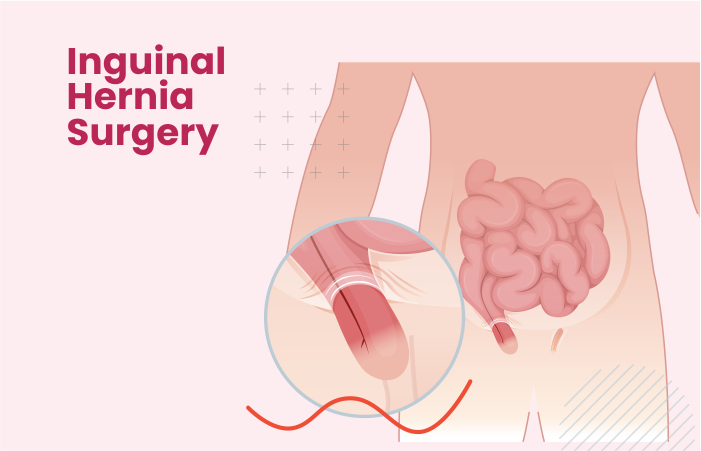
What is Inguinal Hernia Surgery?
Inguinal hernia surgery, often called herniorrhaphy, is a surgical treatment used to repair an inguinal hernia. An inguinal hernia arises when tissues, such as a segment of the intestine, protrude through a weak spot or opening in the abdominal muscles in the groin. Inguinal hernias are prevalent, and they can cause discomfort, pain, and other issues. Surgery is frequently indicated to address this disease properly.
Why is Inguinal Hernia Surgery Performed?
Inguinal hernia surgery is used to treat the following:
- Relieve Symptoms: Inguinal hernias can create a visible protrusion in the groin area, as well as pain or discomfort, particularly when coughing, bending, or lifting, and a heavy or dragging sensation. Surgery is intended to ease these problems.
- Prevent Complications: Untreated inguinal hernias can result in imprisonment or strangling. Incarceration happens when the hernia becomes stuck and cannot be moved back into the abdominal cavity. Strangulation happens when the hernia becomes stuck and its blood supply is cut off, resulting in tissue damage and infection. Surgery can help prevent these consequences.
- Restore regular Function: Inguinal hernia surgery repairs the abdominal wall, preventing the hernia from reoccurring and allowing the patient to resume regular activity without pain or limits.
How to Prepare for Inguinal Hernia Surgery:
Before having inguinal hernia surgery, your healthcare practitioner will give you particular advice to help you prepare. This may include:
- Medical Evaluation: You will receive a full medical evaluation, which will include a physical examination, a review of your medical history, and maybe further testing such as blood work or imaging investigations.
- Medication Adjustments: Tell your doctor about any medications you’re currently taking, including over-the-counter meds and vitamins. They may advise you to temporarily discontinue some drugs prior to surgery.
- Fasting: Typically, you will be needed to fast for a set period of time prior to surgery to ensure that your stomach is empty. This lowers the risk of anesthesia-related problems.
- Arrange transportation: Because you will be having anesthesia, have someone drive you to and from the hospital or surgery center.
- Follow Pre-Surgery advice: Your healthcare practitioner will give you precise advice on what you should and shouldn’t do in the days leading up to surgery, such as showering with a special detergent or avoiding certain foods or beverages.
More About Inguinal Hernia Surgery:
Inguinal hernia surgery can be performed using a variety of techniques, including open surgery and minimally invasive methods such as laparoscopic or robotic surgery. The size and kind of hernia, the surgeon’s experience, and individual patient characteristics all influence the procedure used.
During the procedure, the surgeon will create an incision near the hernia location. The projecting tissue is pulled back into the abdominal cavity, and any weaker abdominal muscles or tissues are healed or strengthened. In some circumstances, a synthetic mesh may be employed to add further support. The incision is subsequently sealed with sutures or surgical staples.
Consequences of Delaying Inguinal Hernia Surgery
Delaying inguinal hernia surgery might have several consequences:
- Increased Discomfort: Inguinal hernias deteriorate over time, causing increased pain, discomfort, and limits in daily activities.
- Complications: As previously stated, untreated inguinal hernias can result in imprisonment or strangling. These are severe conditions that necessitate immediate medical attention and may be fatal.
- Impact on Quality of Life: Inguinal hernias can have a substantial influence on a person’s quality of life, limiting their ability to work, engage in physical activities, and complete daily duties comfortably.
- Larger Hernia Size: Postponing surgery may cause the hernia to grow in size, complicating the repair and perhaps necessitating more invasive surgical operations.
Frequently Asked Questions (FAQs)
An inguinal hernia arises when tissues, such as a segment of the intestine, protrude through a weak spot or opening in the abdominal muscles in the groin area.
The symptoms, the size of the hernia, and the likelihood of complications all contribute to the decision to have surgery. Common symptoms include a visible groin protrusion, pain or discomfort, and a dragging sensation. Your healthcare professional will assess your circumstances and, if necessary, recommend surgery.
Inguinal hernia surgery can be performed openly, laparoscopically, or robotically. Open surgery includes making an incision near the hernia site, but laparoscopic and robotic operations are less invasive, requiring small incisions and specialized instruments.The symptoms, the size of the hernia, and the likelihood of complications all contribute to the decision to have surgery. Common symptoms include a visible groin protrusion, pain or discomfort, and a dragging sensation. Your healthcare professional will assess your circumstances and, if necessary, recommend surgery.
Recovery time varies according to surgery procedure and individual characteristics. In general, patients can expect discomfort, edema, and limited activity in the first several days or weeks. Most people can return to normal activities within a few weeks, however physically demanding tasks may require more time.
Infection, hemorrhage, injury to adjacent structures, hernia recurrence, and anesthetic responses are all possible problems, albeit they are infrequent. Before the procedure, your surgeon will explain the potential risks with you and take precautions to reduce them.