- +91 63054 35011
- info@medtx.in/operations@medtx.in
- HYD, TS

Lap Band Surgery
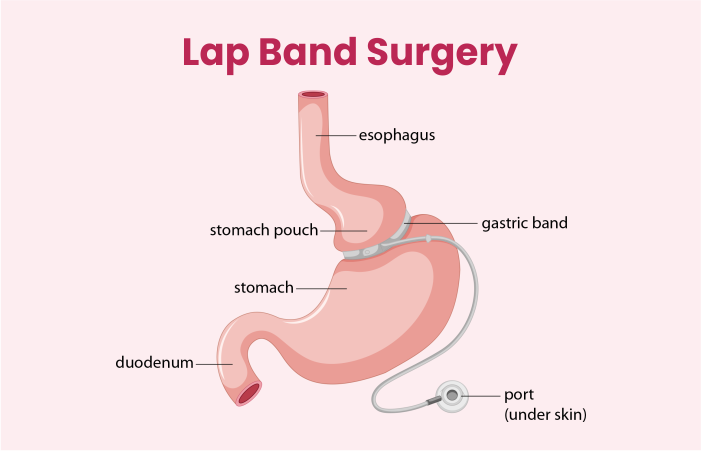
Lap band surgery is a minimally invasive weight-loss procedure that involves placing an adjustable silicone band around the upper part of the stomach. This creates a small pouch to limit food intake and promote a feeling of fullness with smaller portions. The band can be tightened or loosened through an access port under the skin to adjust weight loss progress. Recovery is quick, with most patients resuming normal activities within a week. Lap band surgery supports gradual, sustainable weight loss and helps manage obesity-related conditions.

Purpose of Lap Band Surgery
Lap band surgery is often indicated for people with a BMI of 40 or more, which is considered extreme obesity. It is also considered for people with a BMI between 35 and 40 who have obesity-related health problems such type 2 diabetes, high blood pressure, or sleep apnea.
The primary goal of lap band surgery is to help people achieve significant and long-term weight loss. By limiting the amount of food that may be taken and encouraging a sense of fullness, the technique assists patients in adopting healthy eating habits and losing excess weight gradually.
How to Prepare for Lap Band Surgery
Lap band surgery is often indicated for people with a BMI of 40 or more, which is considered extreme obesity. It is also considered for people with a BMI between 35 and 40 who have obesity-related health problems such type 2 diabetes, high blood pressure, or sleep apnea.
The primary goal of lap band surgery is to help people achieve significant and long-term weight loss. By limiting the amount of food that may be taken and encouraging a sense of fullness, the technique assists patients in adopting healthy eating habits and losing excess weight gradually.
- It is critical to have a thorough understanding of the lifestyle changes required following the procedure. This may include discussions about dietary changes, physical activity, and support systems to help you on your weight loss journey.
More About Lap Band Surgery
- During lap band surgery, the gastroenterologist makes small incisions in the belly and uses specialized devices to wrap the adjustable band around the top region of the stomach. The band is designed to form a tiny pouch at the top of the stomach, limiting the amount of food that can pass through to the rest of the stomach.
- The band’s flexible design enables for adaptation to each patient’s specific demands. The gastroenterologist can access the port placed beneath the skin to inflate or deflate the band with saline solution, thereby tightening or loosening its grasp on the stomach. These changes can be adjusted during follow-up visits to achieve the best weight loss results while minimizing discomfort.
- Following lap band surgery, it is critical to schedule regular follow-up consultations with a gastroenterologist. These visits allow for band modifications, progress monitoring, and the resolution of any issues or complications that may emerge. The gastroenterologist will work closely with you to identify the best adjustment plan for your weight loss goals and overall health.
Consequences of Lap Band Surgery
While lap band surgery is a viable weight loss option, it is critical to be informed of the potential implications and dangers. This may include:
- Band Slippage: In some situations, the band may slip or move out of position, which can cause discomfort, trouble swallowing, or vomiting. Additional surgical surgery may be required to reposition the band.
- Infection: As with any surgical surgery, there is the possibility of infection at the incision sites or near the port. To reduce the risk of infection, get medical help as soon as possible and treat wounds properly.
- Erosion: In rare situations, the band may erode into stomach tissue, resulting in difficulties and the need to remove the band.
- Band Intolerance: Some people may be uncomfortable or intolerant of the band, causing continuous problems with eating and digestion. In certain circumstances, band removal may be necessary.
- Additional Surgeries: To achieve the best weight loss results, the band may need to be adjusted over time. Some people may want to have the band removed totally.
Frequently Asked Questions (FAQs)
Laminectomy spinal decompression is a surgical operation that removes a piece of the vertebral bone known as the lamina. It is used to increase space within the spinal canal, alleviating strain on the spinal cord and nerves.
Lap band surgery is often advised for people with a body mass index (BMI) of 40 or more, or those with a BMI of 35-40 with obesity-related health issues. Each situation is unique, so a complete evaluation by a gastroenterologist or bariatric surgeon is required to establish whether you are a good candidate for the operation.
Lap band surgery can help people lose considerable amounts of weight, reduce obesity-related health issues, and improve their general quality of life. The method is minimally invasive, resulting in smaller incisions, less scarring, and a speedier recovery time than typical open operations. The customizable nature of the band allows for specific changes to maximize weight loss results.
While lap band surgery is usually regarded safe, it does, like any other surgical procedure, carry some hazards. Possible consequences include band slippage, infection, erosion, band intolerance, and the necessity for repeated procedures for modifications or removal. To have a satisfactory outcome, you should extensively discuss these risks with your surgeon and adhere to their post-operative recommendations.
Lap band surgery necessitates commitment to long-term lifestyle modifications. This involves eating a well-balanced and healthy food, practicing portion management, and engaging in regular physical activity. Regular follow-up appointments with your surgeon will be required to monitor progress, make necessary band changes, and receive continuous support and direction for long-term weight loss.