- +91 63054 35011
- info@medtx.in/operations@medtx.in
- HYD, TS

Liposuction Surgery
Liposuction surgery is a cosmetic procedure to remove excess fat deposits from specific areas of the body, such as the abdomen, thighs, arms, or neck. It involves using a suction technique to contour and reshape the treated areas. The surgery is performed under local or general anesthesia and is typically done on an outpatient basis. Recovery takes a few weeks, with swelling and bruising subsiding over time. Liposuction enhances body aesthetics and boosts confidence but is not a substitute for weight loss.

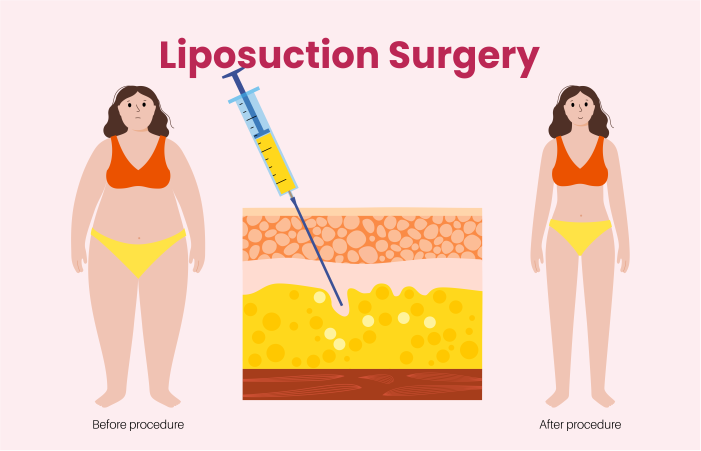
Liposuction Surgery in Hyderabad
Liposuction, also known as lipoplasty or suction-assisted lipectomy, is a surgical procedure used to shape and contour the body by removing excess fat deposits. During surgery, a small incision is made near the target area, and a thin tube called a cannula is inserted. The cannula is connected to a suction device, which gently suctions away the fat cells, resulting in a more sculpted look.
Purpose of Liposuction Surgery
Liposuction is used to treat localized areas of persistent fat that are resistant to diet or exercise. It is frequently used to improve body proportions, contours, and create a more symmetrical and balanced appearance. Liposuction is often done on the abdomen, thighs, hips, buttocks, arms, back, and chin.
How to Prepare for Liposuction Surgery
There are various critical steps to take before having liposuction surgery. You will have an initial appointment with a plastic surgeon who will evaluate your overall health, discuss your objectives and expectations, and establish whether or not you are a good candidate for the treatment. The surgeon may order medical tests and evaluations to ensure you are physically prepared for surgery.
Before the procedure, your surgeon will give you precise instructions based on your needs. These may include not taking certain medications, changing your diet, quitting smoking, and arranging for someone to attend you on the day of surgery and support you during the early recovery period.
More About Liposuction Surgery
Liposuction can be done using a variety of procedures, including classic methods and newer ones like laser liposuction. Laser liposuction, often called laser-assisted liposuction or SmartLipo, uses laser energy to liquefy fat cells before suctioning them away. This procedure may provide certain benefits, such as decreased bleeding and increased skin tightness.
During the liposuction surgery, the surgeon will make small incisions in strategic locations around the treated regions. They will then inject a cannula to target and remove extra fat. The length of the process is determined by the size of the treated areas and the amount of fat removed.
Consequences of Liposuction Surgery
While liposuction is generally thought to be safe, it is crucial to understand the potential effects and hazards of the treatment. This may include:
- Swelling and Bruising: It is normal to have temporary swelling, bruising, and discomfort following liposuction. Compression garments and following post-operative instructions can assist to reduce these symptoms.
- Irregular Contour or Uneven Results: In rare circumstances, uneven fat removal or contour irregularities can occur. However, problems can frequently be remedied with additional treatments or changes.
- Infection and Fluid Accumulation: While uncommon, infection and fluid accumulation (seroma) are potential consequences of liposuction. Proper wound care and according to the surgeon’s recommendations can help reduce these risks.
- Skin Irregularities: Liposuction may result in changes to the skin texture, such as dimpling or sagging. Your surgeon will test your skin elasticity before the treatment to estimate the possibility of these outcomes.
Frequently Asked Questions (FAQs)
Liposuction surgery, also known as lipoplasty or suction-assisted lipectomy, is a cosmetic procedure that removes unwanted fat deposits from specific parts of the body. During the procedure, a small incision is made near the desired area, and a thin tube known as a cannula is introduced to suction out the fat cells and reshape and sculpt the body.
Liposuction surgery is often indicated for those who are near to their desired body weight but have stubborn fat in specific places that resist diet and exercise. It is critical to have good general health, realistic expectations, and a desire to live a healthy lifestyle following the treatment.
Liposuction can be done on several parts of the body, including the belly, hips, thighs, buttocks, arms, back, and chin. The particular treatment areas will be discussed at your consultation with a trained plastic surgeon, who will evaluate your unique needs and goals.
The recovery period varies depending on the length of the treatment and the patient's healing process. In general, patients should expect swelling, bruising, and discomfort in the treatment sites. Most people can resume light activities within a few days and return to their regular activities within a few weeks. It is critical to follow the surgeon's postoperative instructions and wear compression garments as prescribed.
Lap band surgery necessitates commitment to long-term lifestyle modifications. This involves eating a well-balanced and healthy food, practicing portion management, and engaging in regular physical activity. Regular follow-up appointments with your surgeon will be required to monitor progress, make necessary band changes, and receive continuous support and direction for long-term weight loss.