- +91 63054 35011
- info@medtx.in/operations@medtx.in
- HYD, TS

Rhinoplasty Nose Surgery
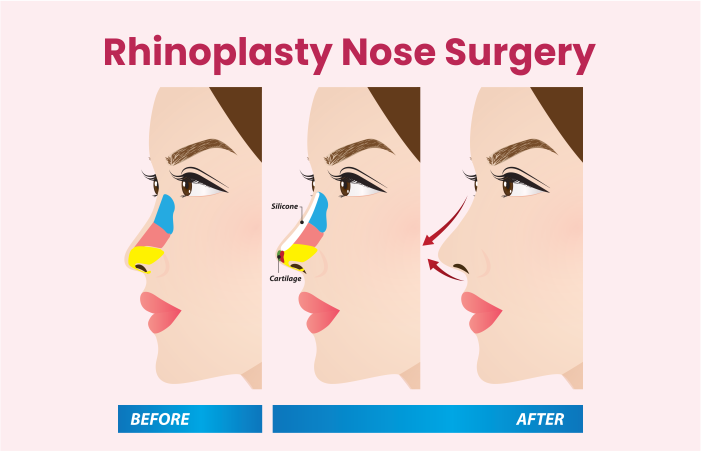
Rhinoplasty, commonly known as nose surgery, is a cosmetic or reconstructive procedure to reshape or repair the nose. It can address aesthetic concerns, such as size or shape, or functional issues like breathing difficulties caused by structural abnormalities. The surgery is performed under local or general anesthesia, with recovery typically taking 1-2 weeks. Swelling and bruising subside gradually, revealing the final results over several months. Rhinoplasty enhances facial harmony and improves nasal functionality when needed.

Rhinoplasty Nose Surgery
Welcome to the Rhinoplasty Nose Surgery Center in Hyderabad. Are you considering rhinoplasty, commonly known as nose surgery or a nose job, to improve the appearance of your nose or solve functional issues? Look no further! Our Hyderabad clinic is dedicated to providing the highest quality rhinoplasty treatments performed by highly competent and experienced doctors. In this post, we will go over all you need to know about rhinoplasty, including its purpose, why it is performed, how to prepare for the process, and the risks of delaying treatment.
What is Rhinoplasty Nose Surgery?
Rhinoplasty nose surgery is a specialist technique that aims to reshape and improve the look of the nose. It can treat a variety of issues, including a pronounced hump, a drooping tip, a wide or asymmetrical nose, and overall face harmony. Rhinoplasty can also be used to treat functional issues like a deviated septum or breathing difficulties.
Why is Rhinoplasty Nose Surgery Performed?
Rhinoplasty is done for a variety of reasons, including:
- Aesthetic enhancement: Many people choose rhinoplasty to improve their nasal look and facial symmetry. The technique can address specific issues and result in a more balanced and harmonious facial profile.
- Functional Improvement: Rhinoplasty can improve nasal function by treating anatomical defects that cause breathing problems. It can straighten a deviated septum, minimize nasal blockages, and increase airflow, resulting in better breathing and nasal function.
- Correction of Trauma or Congenital Defects: Rhinoplasty can be done to repair nasal abnormalities caused by trauma or congenital defects. Its goal is to restore the nose’s natural form and function, thereby improving both appearance and functioning.
How to Prepare for Rhinoplasty Nose Surgery?
Preparing for rhinoplasty entails numerous critical steps to guarantee a safe and successful treatment. Here are some important parts of the preparation process.
Schedule a consultation with one of our skilled rhinoplasty surgeons. They will assess your nasal structure, discuss your objectives and expectations, and create a treatment plan that is suited to your unique requirements.
- Medical Evaluation: Your surgeon will perform a complete medical examination to analyze your overall health and determine whether you are a good candidate for rhinoplasty. This may include evaluating your medical history, doing physical examinations, and ordering any necessary tests or imaging procedures.
- Preoperative Instructions: You will be given detailed instructions on how to prepare for the procedure. This could include recommendations for drugs, fasting, and lifestyle changes. It is critical to carefully follow these guidelines to guarantee a smooth and effective process.
More About Rhinoplasty Nose Surgery at Our Center
At our Rhinoplasty Nose Surgery Center in Hyderabad, we are proud of our highly competent and experienced rhinoplasty surgeons. They have a thorough understanding of facial aesthetics and nasal anatomy, allowing them to achieve natural-looking outcomes that are tailored to your specific desires. We use innovative surgical procedures and cutting-edge technologies to achieve the best possible results and patient satisfaction. During your appointment, we will listen to your issues, answer your questions, and create a personalized treatment plan based on your specific needs.
Consequences of Delaying Rhinoplasty Nose Surgery
Delaying rhinoplasty surgery has numerous consequences, including:
- Prolonged unhappiness: If you are unsatisfied with the appearance of your nose, postponing rhinoplasty increases your unhappiness and has a negative impact on your self-confidence. Addressing your complaints in a timely manner will increase your satisfaction and overall well-being.
- Functional Complications: Postponing rhinoplasty to address functional issues such as a deviated septum or breathing difficulties might lead to continued discomfort and potential health complications. Timely management can improve nasal function and overall quality of life.
- Psychological Effects: Nasal aesthetics can have a major impact on self-confidence and mental health. Delaying rhinoplasty may cause psychological distress associated with self-image, hurting your confidence and social interactions.
If you are considering rhinoplasty, we recommend that you schedule a consultation with one of our skilled rhinoplasty surgeons at our Hyderabad location. We are dedicated to offering the highest quality care, tailored treatment plans, and exceptional results. Contact us today to take the first step toward the nose you’ve always wanted.
Please keep in mind that the cost of rhinoplasty, as well as any specifics about the operation, will be discussed during your appointment with our rhinoplasty specialists.
Frequently Asked Questions (FAQs)
Rhinoplasty surgery, also known as a nose job, is a specialist treatment designed to reshape and improve the appearance of the nose. Surgeons use a variety of procedures to alter the bone and cartilage components, producing the desired nasal cosmetics while also resolving functional concerns as needed.
Although discomfort is prevalent, acute pain is uncommon. Pain medicines are commonly administered to alleviate discomfort during the first healing phase. Recovery times vary, with swelling subsiding after a few weeks and complete recovery lasting several months.
Yes, rhinoplasty can have a dual advantage. It can improve the appearance of the nose by correcting aesthetic flaws such a hump or asymmetry. It can also address structural abnormalities that cause breathing difficulties, hence improving general nose function.
Choosing the correct surgeon is critical. Look for a board-certified plastic surgeon who has substantial experience in rhinoplasty. During consultations, look at the surgeon's before-and-after images, learn about their methodology, and make sure you feel comfortable sharing your goals with them.
The consultation is an important stage. Your surgeon will evaluate your nasal structure, talk with you about your objectives and expectations, and create a treatment plan that is unique to you. To prepare, bring a list of questions, be honest about your medical history, and express any worries you have about the operation.