- +91 63054 35011
- info@medtx.in/operations@medtx.in
- HYD, TS

Shoulder Surgery
Shoulder surgery is performed to treat injuries or conditions affecting the shoulder joint, such as rotator cuff tears, dislocations, arthritis, or fractures. It can be done using minimally invasive arthroscopy or open surgery, depending on the severity of the issue. The procedure aims to relieve pain, restore mobility, and improve joint stability. Recovery involves physical therapy and may take weeks to months, depending on the surgery type. Shoulder surgery significantly enhances function and quality of life for patients.

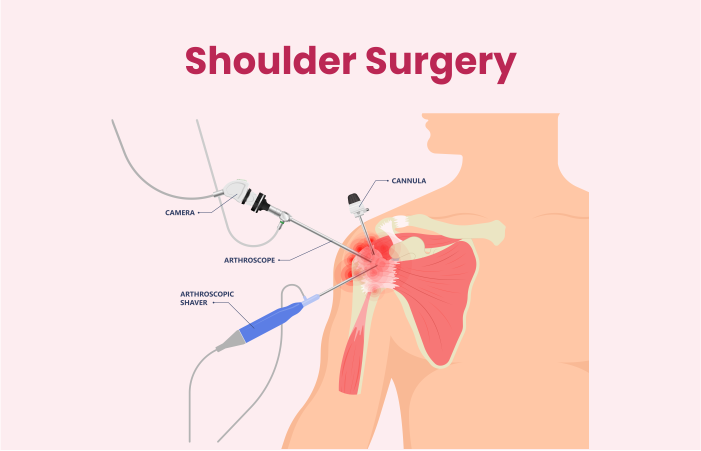
Shoulder Surgery
Welcome to MedTX Hospitals, the foremost provider of comprehensive shoulder treatment and specialty shoulder operations in Hyderabad. If you are having shoulder pain or have been diagnosed with a shoulder problem that necessitates surgical intervention, you have come to the correct spot. Our highly skilled orthopedic surgeons specialize in shoulder surgery such as arthroscopy, shoulder replacement, and rotator cuff repair. This article will provide you with important information regarding shoulder surgery, such as its goal, why it is conducted, how to prepare for the procedure, and the repercussions of postponing necessary shoulder surgery.
What is Shoulder Surgery?
Shoulder surgery is a group of surgical treatments used to address a variety of shoulder problems and injuries. It entails entering the shoulder joint and its surrounding structures to heal damage, relieve discomfort, and restore function. Common shoulder surgeries include shoulder replacement, arthroscopic treatments, rotator cuff repairs, and ligament repairs.
Why is Shoulder Surgery Performed?
Shoulder surgery is performed for a variety of purposes, including:
- Relieving pain: Shoulder surgery is intended to relieve persistent shoulder pain caused by rotator cuff injuries, shoulder impingement, or arthritis.
- Restoring function: Shoulder surgeries are frequently used to restore proper shoulder function, allowing people to regain strength, range of motion, and stability in their shoulder joints.
- Repairing injuries: In cases of acute injuries, such as shoulder dislocations or ligament tears, surgery may be required to repair the damaged structures and avoid further complications.
How to Prepare for Shoulder Surgery?
To ensure a safe and successful shoulder surgery, numerous precautions must be taken before the procedure. Here are some important parts of the preparation process.
- Consultation and evaluation: You will meet with a shoulder specialist at MedTX Hospitals who will assess your condition, review your medical history, and talk about your symptoms. They will discuss the many surgical alternatives available and answer any queries you may have.
- Pre-operative testing: Your healthcare team will do pre-operative tests, including as imaging scans and blood tests, to review your overall health and determine whether you are ready for surgery.
- Medication and lifestyle modifications: Your surgeon will provide detailed instructions for any necessary medication changes, fasting guidelines, or lifestyle changes prior to surgery, which must be strictly followed for the treatment to be effective.
More About Shoulder Surgery at MedTX Hospitals
At MedTX Hospitals, we take pride in our team of highly experienced orthopedic surgeons who specialize in shoulder surgeries. Our surgeons are renowned for their expertise in performing arthroscopic shoulder procedures, shoulder replacements, rotator cuff repairs, and other advanced techniques. We prioritize patient safety and comfort by utilizing cutting-edge technology and adhering to the highest standards of care.
Consequences of Delaying Shoulder Surgery
Delaying required shoulder surgery has various consequences, including:
- Increased pain and discomfort: Delaying surgery can lead to ongoing shoulder pain, limited mobility, and limitations in everyday activities, all of which have an impact on your quality of life.
- Worsening of the condition: Many shoulder issues, such as rotator cuff tears or shoulder dislocations, can develop over time if not treated. This can result in more injury to the shoulder joint and potentially more complex surgical treatments in the future.
- Functional restrictions: If not treated promptly, shoulder issues can cause functional limitations, making it difficult to perform simple tasks or participate in physical activities. Don’t put off getting the therapy you need. Contact MedTX Hospitals to schedule a consultation with one of our expert shoulder surgeons. We are committed to providing you with the best possible care and guiding you toward optimal shoulder health and functionality. Learn more about shoulder surgery and experience the best outcomes at MedTX Hospitals, the trusted destination for shoulder care in Hyderabad.
Frequently Asked Questions (FAQs)
The recovery period varies according to the type and complexity of the shoulder surgery performed. In general, it can take several weeks or months to fully recover. Your surgeon will give you precise postoperative instructions as well as a rehabilitation plan to help you progressively restore strength and function.
Shoulder surgery, like any other surgical operation, involves some risks and problems. Infection, hemorrhage, blood clots, nerve damage, stiffness, and chronic discomfort are all possible complications. However, your surgeon will take precautions to reduce these risks, and they will discuss any potential issues with you before to surgery.
Yes, physical therapy is an important aspect of the recovery process following shoulder surgery. It improves range of motion, strength, and stability in the shoulder joint. Your surgeon will recommend a specific rehabilitation regimen that may include exercises, stretches, and manual therapy to help you recover.
You may face certain limits in your usual activities after shoulder surgery. However, as you progress through your rehabilitation program and recover, you should regain functionality and be able to resume the majority of your normal activities. Your surgeon will advise you on activity restrictions and gradually increase your activity level as you recover.
In some cases, shoulder surgery can provide long-lasting relief and improved function, but it is important to maintain a healthy lifestyle and follow your surgeon's recommendations to optimize the longevity of the results. The specific condition treated, the surgical technique used, and how well you follow post-operative care and rehabilitation all play a role in how long the results last.
Most shoulder procedures are conducted with minimally invasive techniques, which result in smaller incisions and less obvious scars. Your surgeon will make every attempt to eliminate scarring, and they may provide instructions on scar care and strategies to help them appear less prominent.
The majority of shoulder procedures are conducted under general anesthesia, which means you will be unconscious and pain-free throughout the treatment. Regional anesthesia, or a mix of regional and general anesthesia, may be utilized in certain situations. Your anesthesiologist and surgeon will work together to identify the best anesthetic method for your procedure.