- +91 63054 35011
- info@medtx.in/operations@medtx.in
- HYD, TS

TURP Surgery
Transurethral Resection of the Prostate (TURP) is a surgical procedure to treat benign prostatic hyperplasia (BPH), a condition causing an enlarged prostate. It involves using a resectoscope inserted through the urethra to remove excess prostate tissue, relieving urinary symptoms like frequent or weak urination. The procedure is performed under spinal or general anesthesia and typically requires a short hospital stay. Recovery takes a few weeks, with most patients experiencing significant symptom relief. TURP is a highly effective treatment for improving urinary flow and quality of life.

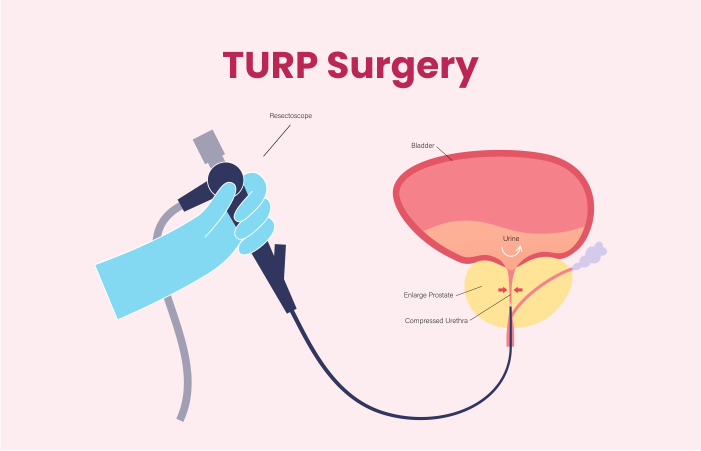
TURP Surgery
Welcome to MedTX Hospitals, Hyderabad’s premier urology treatment center and top destination for transurethral resection of the prostate (TURP) operations. Our facility is renowned for its great medical competence and cutting-edge facilities, making it the first choice for patients seeking effective prostate-related therapy. With a staff of highly skilled urologists that specialize in TURP surgery, we provide thorough treatment and guarantee the best possible results. In this article, we will discuss TURP surgery, including its goal, why it is conducted, how to prepare for the procedure, and the repercussions of postponing the surgery.
What is TURP Surgery?
Transurethral resection of the prostate (TURP) is a surgical operation used to treat enlarged prostates, often known as benign prostatic hyperplasia (BPH). During the surgery, a specialized device known as a resectoscope is placed into the urethra to remove extra prostate tissue that is preventing urine flow. TURP surgery is a popular and successful treatment for BPH.
Why is TURP Surgery Performed?
TURP surgery is used for a variety of reasons, including:
- Urinary symptoms relief: An enlarged prostate can cause urinary difficulties such as frequent urination, poor urine flow, trouble starting and ending urination, and the sense that the bladder is not completely emptied. TURP surgery is intended to reduce these symptoms and enhance urine function.
- Treating urine retention: In some situations, an enlarged prostate can cause urinary retention, which is when the bladder is unable to drain completely. TURP surgery can reduce urine retention and restore bladder function.
How to Prepare for TURP Surgery?
Preparing for TURP surgery entails a number of actions to guarantee a safe and effective outcome. Here are some key parts of the preparatory process:
- Consultation and evaluation: You will meet with a urologist at TX Hospitals who specializes in TURP surgery. They will assess your condition, go over your symptoms and medical history, and describe the surgery in detail.
- Medical evaluation: Your healthcare team will perform a complete medical examination to check your general health and detect any pre-existing problems that may affect the surgery. Blood tests, radiological scans, and consultations with other specialists may be required as part of this review.
- Pre-operative instructions: You will be given detailed instructions on how to prepare for the surgery, such as fasting guidelines and any necessary medication modifications. To guarantee a smooth transaction, please carefully follow these directions.
More About TURP Surgery at MedTX Hospitals
MedTX Hospitals takes pride in its team of highly skilled urologists who specialize in TURP procedures. Our doctors have significant experience doing TURP procedures and work with a specialized team of healthcare experts. We prioritize patient safety and comfort by deploying cutting-edge medical technology and adhering to the highest levels of care.
Consequences of Delaying TURP Surgery
Delaying TURP surgery has various consequences, including:
- Worsening of urinary symptoms: Urinary symptoms may intensify with time as a result of an enlarged prostate. Delaying TURP surgery increases the duration of these symptoms, which causes discomfort and lowers your quality of life.
- Urinary complications: If left untreated, an enlarged prostate can cause urinary tract infections, bladder stones, and kidney damage. TURP surgery improves urine flow and reduces blockage, hence preventing or managing these consequences.
- Decreased quality of life: Untreated BPH can have a substantial impact on your ability to sleep, work, and participate in everyday activities. TURP surgery is intended to improve urinary function and restore your quality of life.
Do not postpone your treatment any further. Contact MedTX Hospitals to schedule a consultation with one of our expert urologists who specialize in TURP surgery. We are dedicated to providing you with the best possible care and leading you toward optimal urological health.
Frequently Asked Questions (FAQs)
The duration of TURP surgery varies according to the size of the prostate and the complexity of the case. On average, the operation takes between one and two hours.
TURP surgery has various advantages for those with enlarged prostates, including better urinary symptoms like greater urine flow, decreased frequency of urination, decreased urgency, and a sense of complete bladder emptying. It can considerably improve the quality of life for people suffering from BPH.
TURP operation is performed under anesthesia, so you will not feel any pain during it. Following surgery, some individuals may have slight discomfort or pain, which can be treated with pain medications given by your doctor.
The healing period following TURP surgery varies from person to person. Typically, patients are required to stay in the hospital for a day or two following surgery. It may take several weeks to fully heal, and you may experience urine symptoms such as frequency and urgency. Your doctor will provide you special recommendations for post-operative care and activities to help you recover smoothly.
TURP surgery, like any other surgical technique, is not without risk. Potential consequences include bleeding, infection, urinary incontinence, erectile dysfunction, and retrograde ejaculation (ejaculation into the bladder rather than out via the penis). However, these issues are relatively uncommon, and your urologist will take appropriate precautions to reduce any potential dangers.
Many people with BPH benefit from TURP surgery. However, it may not be suggested for people who have specific medical issues or have previously had certain forms of prostate surgery. Your urologist will assess your unique condition and decide whether TURP surgery is the best option for you.
Yes, different therapies for an enlarged prostate exist, depending on the severity of your symptoms and the size of your prostate. Medication therapy, minimally invasive methods like laser or microwave therapy, and other surgical approaches may all be used. Your urologist will review the most appropriate treatment choices for your specific circumstance.
TURP surgery may have an influence on sexual function. Retrograde ejaculation, in which semen enters the bladder rather than being released by the penis, is a typical complication following TURP surgery. However, erectile dysfunction is rare. It is critical to discuss any concerns about sexual function with your urologist prior to the treatment.
Your urologist will give you precise advice about how to prepare for TURP surgery. This may include fasting prior to the procedure, changing drug regimens, and having pre-operative testing or evaluations. To guarantee a successful surgery and a smooth recovery, carefully follow the directions.