- +91 63054 35011
- info@medtx.in/operations@medtx.in
- HYD, TS

Adenoidectomy Surgery
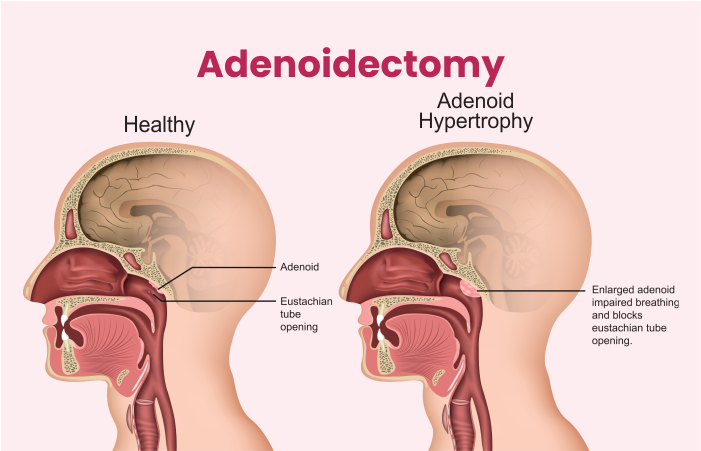
An Adenoidectomy is a surgical procedure to remove the adenoids, small glands located at the back of the nasal cavity. It is commonly performed in children experiencing frequent infections, breathing difficulties, or sleep apnea due to enlarged adenoids. The procedure is done under general anesthesia and is typically quick and safe. Recovery usually takes about 1-2 weeks, with minimal discomfort managed by medication. This surgery helps improve breathing, reduce infections, and enhance overall quality of life.

Adenoidectomy Surgery
Adenoidectomy surgery is a medical treatment that removes the adenoids, which are tiny glands found in the rear of the nasal cavity. This article includes in-depth information about adenoidectomy surgery, including its aim, preparatory recommendations, procedure specifics, and the potential implications of postponing the surgery. It also emphasizes the availability of adenoidectomy surgery hospitals in Hyderabad, the cost of the procedure in the region, and the significance of selecting the finest hospital for adenoidectomy.
Why is Adenoidectomy Surgery Performed?
Adenoidectomy surgery is done for a variety of reasons.
- Chronic infections: If the adenoids become infected repeatedly, resulting in symptoms such as persistent sore throat, trouble breathing, and ear infections, removal may be required.
- Enlarged adenoids: Enlarged adenoids can cause nasal congestion, blocked breathing, snoring, and sleep difficulties, reducing overall quality of life.
- Eustachian tube dysfunction: Enlarged adenoids can impair the function of the Eustachian tubes, causing ear infections and hearing issues.
- Recurrent sinusitis: Adenoids that cause recurring sinus infections may need to be removed.
How to Prepare for Adenoidectomy Surgery:
Preparing for adenoidectomy surgery includes the following steps:
- Medical evaluation: The specialist will perform a physical examination, evaluate the medical history, and may request diagnostic procedures such as X-rays or throat cultures to determine the status of the adenoids.
- Preoperative Instructions: Follow the surgeon’s recommendations for fasting, medication use, and other necessary lifestyle changes prior to the surgery.
- Anesthesia options: Discuss the anesthesia choices with the surgeon to identify the best fit for the procedure.
More About Adenoidectomy Surgery:
Adenoidectomy surgery is usually performed with general anesthesia. The surgeon uses specialized devices to remove the adenoids through the mouth, eliminating the need for external incisions. The treatment is rather rapid, and most patients can go home the same day. Post-surgery soreness, slight bleeding, and a sore throat are normal, but these go away with time. During the recuperation period, adhere to the surgeon’s directions for pain treatment, food, and activity limits.
Consequences of Delaying Adenoidectomy Surgery:
Delaying adenoidectomy surgery can have a variety of outcomes:
- Recurrent infections: Enlarged or inflamed adenoids can cause recurrent infections, such as throat, sinus, and ear infections.
- Impaired breathing and sleep disturbances: Enlarged adenoids can block nasal passages, causing breathing difficulty, snoring, and altered sleep patterns.
- Speech and language development issues: Long-term adenoid-related breathing difficulties can impair speech development in young children.
- Persistent ear issues: Postponing surgery can lead to ear infections, fluid buildup in the middle ear, and probable hearing loss.
- Long-term complications: Chronic adenoid-related disorders, if left untreated, can result in complications such as chronic sinusitis, middle ear troubles, and weakened immunity.
Frequently Asked Questions (FAQs)
The adenoids are lymphoid tissues located in the back of the nasal channel, near the Eustachian tube opening. Adenoidectomy surgery removes oversized or infected adenoids. This operation is commonly performed for persistent or recurrent infections, chronic nasal congestion, restricted breathing, sleep apnea, or reoccurring ear infections.
Adenoidectomy surgery is usually conducted under general anesthesia. The surgeon gains access to the adenoids through the mouth, with no exterior incisions. The adenoids are gently removed with specialized equipment. The procedure is relatively rapid, usually taking 30 minutes or less. After the surgery, the patient is watched in the recovery area before being discharged.
The recuperation period following adenoidectomy surgery is usually uncomplicated. A sore throat, minor discomfort, and a low-grade fever may occur for a few days after surgery. Over-the-counter pain medicines, throat lozenges, and plenty of rest can all help reduce discomfort. To ensure optimal healing, follow the surgeon's postoperative instructions, which may include dietary suggestions and activity limitations.
Adenoidectomy surgery is typically safe, however like with any surgical operation, there are certain risks and problems. Bleeding, infection, breathing difficulties, voice changes, nasal regurgitation, and adenoid tissue recurrence are all possible outcomes. It is critical to discuss these risks with your physician prior to surgery and to seek emergency medical assistance if any odd symptoms or complications arise.
The benefits of adenoidectomy surgery are typically obvious within a few weeks of the procedure. Breathing may become more comfortable, nasal congestion may improve, and symptoms such as snoring or sleep apnea may be reduced. However, individual results may differ. It is essential that you follow up with your surgeon to check your progress and resolve any concerns or persistent problems.