- +91 63054 35011
- info@medtx.in/operations@medtx.in
- HYD, TS

Arthroscopic Joint Surgery
Arthroscopic joint surgery is a minimally invasive procedure used to diagnose and treat joint issues. A small camera, called an arthroscope, is inserted through tiny incisions to provide a clear view of the joint. Commonly performed on knees, shoulders, and elbows, it helps repair injuries like torn ligaments or cartilage damage. The surgery involves less pain, smaller scars, and quicker recovery compared to open surgery. It’s an effective solution for improving joint function and relieving pain.

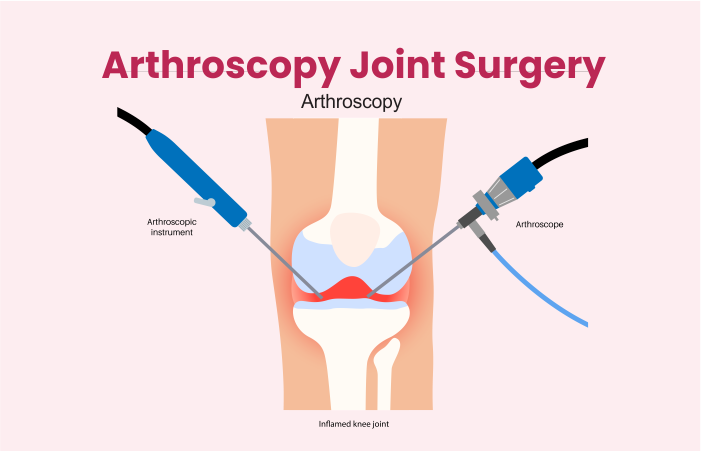
Arthroscopic joint surgery
Arthroscopic joint surgery is a minimally invasive surgical treatment that diagnoses and treats a variety of joint disorders. This article covers all aspects of arthroscopic joint surgery, with a focus on arthroscopic knee and shoulder surgery. It contains information regarding the objective of the procedure, preparation guidelines, the process itself, and the potential consequences of postponing arthroscopic joint surgery. It also highlights the best orthopedic hospital in Hyderabad and the availability of qualified arthroscopy surgeons in the area.
Why is Arthroscopic Joint Surgery Performed?
Arthroscopic joint surgery, including arthroscopic knee surgery and arthroscopic shoulder surgery, is done for a variety of reasons:
- Diagnostic purposes: It enables the surgeon to see within the joint, determine the severity of injury or damage, and provide an accurate diagnosis.
- Treatment of Joint Conditions: Arthroscopy is used to treat a variety of joint disorders, including meniscus tears, ligament injuries, cartilage damage, rotator cuff tears, and joint inflammation.
- Joint debridement: Joint debridement is a technique that removes injured tissues, repairs or removes loose fragments, and improves joint function and movement.
How to Prepare for Adenoidectomy Surgery:
The steps to prepare for arthroscopic joint surgery are as follows:
- Consultation: Book an appointment with an orthopedic surgeon who specializes in arthroscopic joint surgery at the best orthopedic hospital in Hyderabad.
- Preoperative evaluation: The surgeon may perform a physical exam, review your medical history, and order imaging tests (such as an MRI or X-ray) to assess the joint condition.
- Preoperative Instructions: Follow your surgeon’s recommendations for fasting, medication use, and other necessary lifestyle changes leading up to surgery.
- Anesthesia options: Discuss the various anesthetic choices with your surgeon to determine which one is best for your situation.
More About Arthroscopic Joint Surgery:
Arthroscopic joint surgery is a minimally invasive operation that employs an arthroscope, a narrow tube containing a camera and surgical equipment. The images captured by the camera let the surgeon execute the necessary repairs or excision of damaged tissues. Compared to open surgery, arthroscopy has advantages such as smaller incisions, less scarring, faster healing, and less postoperative pain.
Following surgery, a physical therapy-based rehabilitation program is critical for regaining joint function, strengthening strength, and supporting a successful recovery.
Consequences of Delaying Arthroscopic Joint treatment
Delaying arthroscopic joint surgery can have a variety of outcomes:
- Increased pain and discomfort: Postponing therapy may result in chronic pain, inflammation, and limited mobility, compromising daily activities and quality of life.
- Progression of the condition: Some joint diseases, such as meniscal tears or rotator cuff tears, can develop over time if not treated promptly, resulting in more damage and consequences.
- Functional limitations:Delaying surgery may decrease joint function, making it difficult to perform specific movements or participate in sports and other activities.
- Development of secondary issues: Secondary problems might arise from untreated joint diseases, such as cartilage degradation, joint instability, or muscle atrophy, necessitating more thorough therapy in the future.
- Prolonged recovery time: Delaying surgery may lengthen the overall recovery time.
Frequently Asked Questions (FAQs)
Arthroscopic joint surgery is a surgical treatment that uses a tiny camera known as an arthroscope to diagnose and treat issues within a joint. The surgeon creates small incisions, inserts the arthroscope into the joint, and analyzes the structures on a monitor. Specialized instruments are utilized through small incisions to repair or remove damaged tissues, ligaments, or smooth rough cartilage surfaces.
Arthroscopic joint surgery can be performed on many different joints in the body, including the knee, shoulder, hip, ankle, elbow, and wrist. It is frequently used to treat ligament tears, meniscus tears, cartilage damage, joint inflammation, and loose bodies within the joint. The individual's condition and symptoms determine which joint requires treatment.
Arthroscopic joint surgery has numerous advantages over standard open surgery. These include smaller incisions, a lower risk of problems, shorter hospital stays, less pain, faster healing, and less scarring. The procedure's minimally invasive nature allows for a faster return to regular activities and sports than open surgery.
Recovery from arthroscopic joint surgery varies depending on the operation performed and the patient's overall condition. In general, the healing process includes pain management, physical therapy, and progressive increases in activity levels. The surgeon will provide you specific postoperative instructions, including as wound care, activity limitations, and rehabilitation exercises, to help you recover. Following these recommendations is critical for optimal healing and outcomes.
While arthroscopic joint surgery is generally regarded safe, any surgical treatment carries risks and problems. Infection, hemorrhage, blood clots, nerve or blood vessel injury, stiffness, reduced range of motion, and further surgery are all possible complications. To reduce the likelihood of complications, you should discuss these risks with your surgeon and follow pre- and postoperative recommendations.