- +91 63054 35011
- info@medtx.in/operations@medtx.in
- HYD, TS

Bariatric Surgery
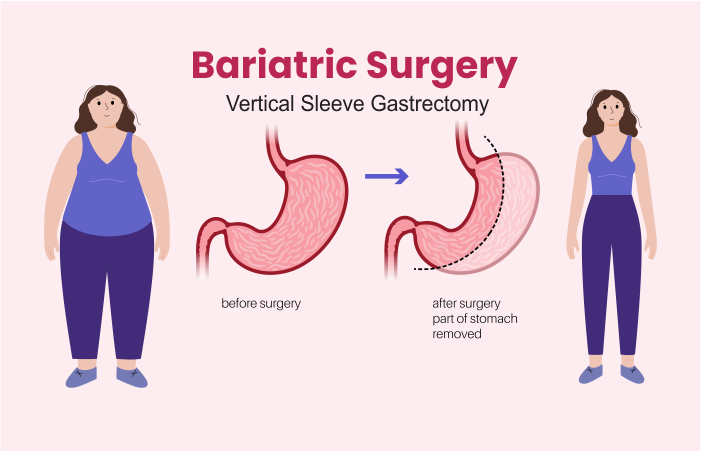
Bariatric surgery is a weight-loss procedure designed to help individuals with severe obesity. It involves modifying the stomach or digestive system to limit food intake or absorption. Common types include gastric bypass, sleeve gastrectomy, and adjustable gastric banding. This surgery not only aids in significant weight loss but also helps manage obesity-related conditions like diabetes, hypertension, and sleep apnea. Recovery requires lifestyle changes, including a healthy diet and regular exercise, for long-term success.

What is Bariatric Surgery?
Bariatric surgery is a medical technique that helps people with extreme obesity lose weight by making adjustments to their digestive tract. To minimize food intake and absorption, the stomach is reduced in size or the digestive track is rerouted. Visit MedTX Hospitals in Hyderabad for the best bariatric surgery results.
Why is Bariatric Surgery Performed?
Bariatric surgery is undertaken for a variety of reasons.
- Weight Loss: It is primarily used to accomplish significant weight loss in people who have previously failed with other weight loss treatments.
- Obesity-Related Health Conditions: Bariatric surgery can help or cure obesity-related health issues like diabetes, high blood pressure, sleep apnea, and joint pain.
- Improved Quality of Life: Weight loss via bariatric surgery can improve overall quality of life, including enhanced mobility, self-esteem, and mental health.
How to Prepare for Bariatric Surgery
Preparing for bariatric surgery consists of various steps:
- Consultation: You will have a full evaluation and consultation with a bariatric surgeon to determine your suitability for the treatment.
- Medical Examinations: Blood tests, imaging scans, and cardiac exams may be performed to confirm that you are physically prepared for surgery.
- Dietary Counseling: A licensed dietician will guide you through the essential dietary modifications before and after surgery.
- Psychological Evaluation: A mental health expert may examine your emotional readiness and assist you in developing coping techniques.
- Lifestyle Changes: You may need to undertake lifestyle changes, such as stopping smoking, to reduce surgery risks and improve outcomes.
More About Bariatric Surgery
The three most prevalent types of bariatric surgery are gastric bypass, sleeve gastrectomy, and gastric banding, each with their own set of pros and disadvantages.
- Benefits and Risks: Bariatric surgery can result in significant weight loss, improved obesity-related health outcomes, and a higher quality of life. However, it, like any other surgical technique, has the potential to cause complications.
- Post-Surgery Expectations: Following surgery, you will need to follow a certain diet, take recommended medications, and gradually begin an exercise routine. Regular follow-up consultations with your healthcare team are critical for tracking progress and treating issues.
Consequences of Delaying Bariatric Surgery
- Health dangers: Postponing bariatric surgery might extend the dangers connected with obesity, such as cardiovascular disease, diabetes, and joint difficulties, perhaps exacerbating them.
- Emotional Impact: People considering bariatric surgery frequently suffer emotional issues related to their weight. Delaying surgery might exacerbate these difficulties, compromising emotional well-being and self-esteem.
- Reduced Effectiveness: The longer weight loss is postponed, the more difficult it will be to produce meaningful and long-term results with bariatric surgery alone. Early intervention often results in better outcomes.
Frequently Asked Questions (FAQs)
Bariatric surgery is a medical procedure that helps people suffering from severe obesity lose significant amounts of weight. It entails altering the digestive system to either reduce food intake or inhibit nutrient absorption, which results in long-term weight loss.
Whether you are a viable candidate for bariatric surgery depends on a number of criteria, including your body mass index (BMI), overall health, past weight loss attempts, and commitment to making necessary lifestyle adjustments. It is critical to speak with a bariatric surgeon who can evaluate your unique circumstances and make specialized advice.
There are various bariatric surgery options, including gastric bypass, gastric sleeve, adjustable gastric banding, and biliopancreatic diversion with a duodenal switch. Each method has unique advantages, dangers, and considerations. Your surgeon will explain the best solution for you depending on your specific needs.
Bariatric surgery, like any other medical operation, is not without dangers. Possible risks include infection, bleeding, blood clots, digestive issues, gallstones, and nutritional deficits. However, it is crucial to emphasize that the general risk of problems is minimal, and the advantages of weight loss frequently outweigh the dangers associated with surgery.
Bariatric surgery is a tool to help people lose weight, but it requires considerable lifestyle changes to be effective in the long run. This often include eating a nutritious diet, exercising portion management, getting regular physical activity, and making behavioral changes. In addition, you may need to take particular vitamin and mineral supplements to treat dietary deficiencies. Ongoing follow-up care and support from healthcare professionals are essential for maintaining your weight reduction and general health.