- +91 63054 35011
- info@medtx.in/operations@medtx.in
- HYD, TS

Carpal Tunnel Release Surgery
Carpal Tunnel Release Surgery is a procedure to relieve pressure on the median nerve in the wrist, caused by carpal tunnel syndrome. The surgeon cuts the transverse carpal ligament to reduce nerve compression and alleviate symptoms like pain, numbness, and tingling in the hand. It can be performed using open or endoscopic techniques. Recovery typically takes a few weeks, with physical therapy aiding in regaining hand strength and function. The surgery provides long-term relief and improves hand mobility.

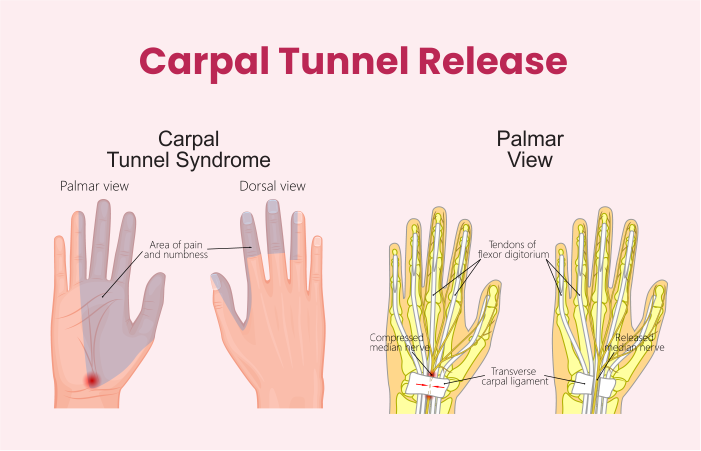
What is Carpal Tunnel Syndrome?
Carpal tunnel syndrome is a frequent ailment affecting the hands and wrists. It occurs when the median nerve, which connects the forearm to the hand, is crushed or squeezed at the wrist. This compression can cause a variety of symptoms, including discomfort, numbness, tingling, and weakness in the hands and fingers.
Why is Carpal Tunnel Release Surgery performed?
Carpal tunnel release surgery is frequently advised when non-surgical therapy fail to relieve carpal tunnel syndrome symptoms. This surgical treatment tries to relieve pressure on the median nerve by removing the transverse carpal ligament, a band of tissue that runs across the wrist. The operation relieves symptoms and restores normal hand and wrist function by increasing the amount of space in the carpal tunnel.
How to Prepare for Carpal Tunnel Release Surgery?
Proper preparation is essential prior to carpal tunnel release surgery. Here are some important measures to follow:
- Consultation and Evaluation: Make an appointment with a top orthopedic surgeon specializing in carpal tunnel release surgery. During the consultation, the surgeon will assess your Carpal Tunnel symptoms, medical history, and conduct any required tests to confirm the diagnosis of Carpal Tunnel Syndrome.
- Discuss treatment options: Your surgeon will go over the available treatment choices, including nonsurgical alternatives, as well as the potential benefits and dangers of carpal tunnel release surgery. To guarantee a clear knowledge of the procedure, you should ask any questions you may have.
- Preoperative Instructions: Follow your surgeon’s preoperative instructions closely. This may involve fasting prior to surgery, avoiding certain medications, and making arrangements for transportation to and from the medical facility.
- Psychological Preparation: Express any anxiety or fears you may have concerning the surgery. Deep breathing exercises, meditation, or talking about your issues with a trusted friend or family member can all help you reduce stress.
Carpal Tunnel Syndrome Treatment Procedure.
- Carpal tunnel release surgery can be conducted in two ways: open release surgery and endoscopic release surgery. Let’s look at each of these techniques in depth.
- Open Release Surgery: The surgeon makes an incision in the palm of the hand to have direct access to the transverse carpal ligament. The ligament is then delicately split to release strain on the median nerve. The wound is sutured closed, and the hand is bandaged.
- Endoscopic Release Surgery: This is a minimally invasive procedure that includes creating one or two tiny incisions in the hand or wrist. The surgeon inserts a small tube containing a camera (endoscope) into one of the incisions to view the carpal ligament. Using specialized devices, the surgeon slices the ligament, releasing the pinched nerve. The incisions are stitched and bandaged.
Consequences of Delaying Carpal Tunnel Release Surgery.
Delaying carpal tunnel release surgery can have a substantial impact on your quality of life and hand function.
- Worsening symptoms: The pain, numbness, and tingling feelings in your hand may become more frequent and severe, making daily tasks difficult.
- Muscle weakness: Compression of the median nerve can produce muscle weakness in the hand, making it harder to perform fine motor activities.
- Reduced grip strength: Carpal tunnel syndrome can cause a decrease in grip strength, limiting your ability to hold objects securely.
- Functional limitations: Carpal tunnel syndrome symptoms can make it difficult to do daily tasks including writing, typing, and gripping.
- Long-term nerve injury: Extended compression of the median nerve can cause permanent nerve damage, resulting in chronic pain and irreversible loss of hand function.
Frequently Asked Questions (FAQs)
Carpal tunnel syndrome is defined as the compression of the median nerve as it passes through the carpal tunnel, a tiny pathway in the wrist. This compression can be caused by a variety of circumstances, including repeated hand movements, wrist traumas, or underlying health issues. Symptoms include discomfort, numbness, tingling, and weakness in the hands and fingers.
Carpal tunnel syndrome is frequently caused by a combination of factors. Some common causes and risk factors are:
- Repetitive hand and wrist movements, particularly flexion and extension.
- Wrist injuries or fractures that disrupt the alignment of the carpal bones.
- Medical diseases include diabetes, rheumatoid arthritis, and hypothyroidism.
- Hormonal changes, such as those that happen during pregnancy.
- Anatomical considerations include a narrow carpal tunnel or a naturally smaller tunnel size.
Carpal tunnel syndrome symptoms can range in severity and include:
- Numbness or tingling in the thumb, index finger, middle finger, and portion of the ring finger.
- Weakness or trouble holding objects, resulting in frequent losing of goods.
- Hand clumsiness and a need to shake the hand to alleviate symptoms.
- Symptoms intensify at night or during tasks that require repeated hand movements.
To diagnose carpal tunnel syndrome, a healthcare expert will usually undertake a full evaluation, which may include
- A medical history review is performed to determine symptoms, risk factors, and past treatments.
- Physical examination to detect soreness, edema, and sensory anomalies in the affected hand and wrist.
- Nerve conduction investigations are performed to assess the electrical conduction of the median nerve and identify the extent of nerve injury.
- Electromyography (EMG) assesses muscle electrical activity and detects muscular weakness caused by nerve compression.
- The treatment approach for carpal tunnel syndrome is determined by the severity of the symptoms and how they affect everyday living. Common treatment options include:
- Non-surgical therapies, such as wrist splinting, activity adjustment, pain medication, and corticosteroid injections, can help reduce inflammation and discomfort.
- Physical therapy: Specific exercises and stretches can assist increase wrist strength and flexibility while also reducing compression on the median nerve.
- Surgical intervention: Carpal tunnel release surgery may be suggested if symptoms persist despite conservative treatment. Cut the transverse carpal ligament to relieve pressure on the median nerve.