- +91 63054 35011
- info@medtx.in/operations@medtx.in
- HYD, TS

Cerebral Aneurysm Surgery
Cerebral Aneurysm surgery is a procedure to treat bulging, weakened blood vessels in the brain that pose a risk of rupture. Two common methods are clipping, where a metal clip is placed to block blood flow to the aneurysm, and coiling, where tiny coils are inserted to promote clotting. The surgery aims to prevent life-threatening bleeding or stroke. Recovery may involve monitoring in intensive care and rehabilitation for any neurological effects. Early intervention can save lives and reduce complications.

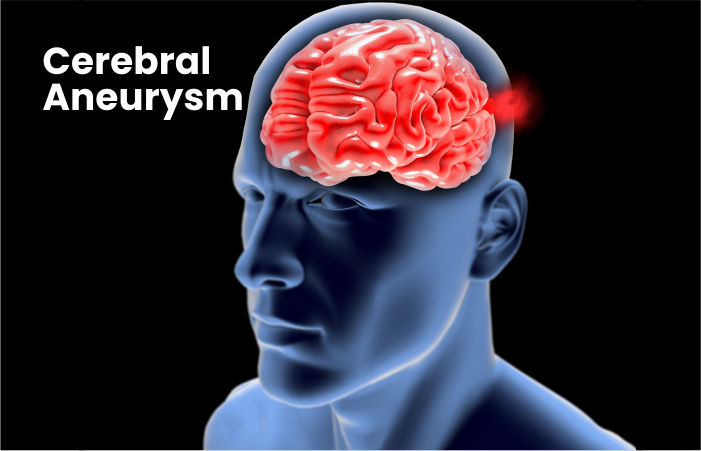
What is Cerebral Aneurysms?
A cerebral aneurysm, also known as a brain aneurysm, is an abnormal, balloon-shaped protrusion that develops in a compromised blood artery in the brain. The specific causes of cerebral aneurysms are not well understood. However, some risk factors, such as high blood pressure, smoking, a family history of aneurysms, and certain genetic abnormalities, can enhance the likelihood of their formation.
Why is Cerebral Aneurysm Surgery Performed?
Cerebral aneurysm surgery is conducted to prevent an aneurysm from rupturing or re-rupturing, which can lead to subarachnoid hemorrhage, a potentially fatal condition. The procedure tries to eliminate the risk of bleeding by either eliminating the aneurysm or securing a specific clip around its neck to avoid rupture. Prompt surgical intervention is critical for minimizing the risks associated with a ruptured aneurysm.
How to Prepare for Cerebral Aneurysm Surgery
Preparing for cerebral aneurysm surgery entails several critical steps:
- Consultation and Evaluation: Contact the best neurosurgeon in Hyderabad who specializes in cerebral aneurysm surgery. During this visit, the surgeon will evaluate your medical history, perform a complete physical examination, and analyze any imaging findings (such as magnetic resonance imaging or computed tomography scans).
- Therapy Options: The neurosurgeon will go over the many cerebral aneurysm therapy options that are available for your unique case. Surgical intervention or alternative techniques may be used, depending on the aneurysm’s size, location, and overall condition. It is critical to ask questions and have a thorough grasp of the risks, benefits, and expected outcomes of the suggested treatment.
- Preoperative directions: Follow the directions given by your neurosurgeon. These may include fasting for a set period of time prior to surgery, changing medications, and refraining from specified activities or substances that may interfere with the treatment or anesthesia.
- Psychological Preparation: Identify and resolve any worry or fears you may have about the procedure. Relaxation techniques, finding support from loved ones, and addressing your concerns with your healthcare team can all help reduce preoperative stress and improve mental well-being.
- Cerebral aneurysm surgery can be performed using two major techniques: clipping or endovascular coiling. Let’s look at each of these techniques in depth.
- Clipping: A craniotomy, or skull opening, is used to provide direct access to the aneurysm. To stop blood flow into the aneurysm, the surgeon puts a thin metal clip around its neck. This prevents rupture and lowers the risk of bleeding.
- Endovascular Coiling: Endovascular coiling is a minimally invasive surgery that uses catheters and imaging guidance to approach the aneurysm from within the blood vessel. Soft platinum coils are placed into the aneurysm to promote blood clotting and seal the weakened area.
Consequences of Delaying Cerebral Aneurysm Surgery
Delaying cerebral aneurysm surgery can lead to catastrophic consequences:
- Aneurysm Rupture: Untreated aneurysms are at risk of rupturing, resulting in a potentially lethal condition known as subarachnoid hemorrhage. Bleeding into the area around the brain can result in brain damage or even death.
- Neurological Deficits: A ruptured aneurysm can cause paralysis, speech difficulty, memory loss, and cognitive impairment. The degree of these deficiencies is determined by where and how much bleeding has occurred.
- Re-bleeding: Even if a ruptured aneurysm does not cause immediate mortality, the chance of rebleeding is substantial. Re-bleeding can occur within days or weeks and has a far higher fatality rate than the initial rupture.
- Emergency Treatment: Postponing surgery may necessitate emergency measures, which can be more dangerous and ineffective than planned elective operations. Emergency procedures may also require lengthier hospital stays and more severe recovery times.
Frequently Asked Questions (FAQs)
A cerebral aneurysm, or brain aneurysm, is a weak or bulging region in the wall of a blood vessel in the brain. It occurs when the blood artery wall thins and may burst, resulting in cerebral bleeding. Cerebral aneurysms vary in size and shape and are usually asymptomatic until they burst.
The exact causes of cerebral aneurysms are not well understood. However, specific factors, such as:
- Weakness in the blood vessel wall: The walls of blood vessels in the brain might weaken with time, increasing their susceptibility to aneurysm formation.
- Genetic factors: There may be a family history of cerebral aneurysms, indicating a genetic component.
- High blood pressure: Uncontrolled high blood pressure puts strain on the blood vessel walls, increasing the risk of aneurysm formation and rupture.
- Smoking and substance abuse: Tobacco use and certain illicit drugs have been linked to an increased risk of cerebral aneurysm.
- Repetitive hand and wrist movements, particularly flexion and extension.
- Wrist injuries or fractures that disrupt the alignment of the carpal bones.
- Medical diseases include diabetes, rheumatoid arthritis, and hypothyroidism.
- Hormonal changes, such as those that happen during pregnancy.
- Anatomical considerations include a narrow carpal tunnel or a naturally smaller tunnel size.
Most brain aneurysms do not present symptoms until they burst. However, when symptoms appear, they can include:
- Sudden and intense headache.
- Vision alterations, or double vision
- Neck pain or stiffness.
- Nausea and vomiting.
- Possible symptoms include light sensitivity and seizures.
- Loss of consciousness.
- It is crucial to remember that these symptoms might also be suggestive of other medical disorders, thus a medical evaluation is required to make an exact diagnosis.
Imaging studies and medical evaluations are frequently used to diagnose brain aneurysms. This may include:
- Computed tomography angiography (CTA): This imaging procedure uses a CT scan and the injection of a contrast dye to visualize blood arteries in the brain and detect the existence of an aneurysm.
- Magnetic resonance angiography (MRA): MRA creates comprehensive images of blood vessels using magnetic fields and radio waves, making it useful for detecting and evaluating brain aneurysms.
- Cerebral angiography: This invasive process includes injecting a contrast dye into blood vessels to produce X-ray images that provide accurate information on the size, location, and shape of an aneurysm.
The treatment of cerebral aneurysms is determined by various criteria, including the size, location, and overall health of the patient. Treatment options could include:
- Observation: Small, unruptured aneurysms with a low risk of rupture can be observed on a frequent basis using imaging studies.
- Surgical clipping: A short metal clip is placed around the neck of the aneurysm to limit blood flow and lower the risk of rupture.
- Endovascular coiling: This minimally invasive surgery involves inserting microscopic platinum coils into the aneurysm to stimulate blood coagulation and prevent rupture.
- Flow diversion: This newer approach includes inserting a stent-like device over the aneurysm's neck to divert blood flow away from it, lowering the risk of rupture.
- Aneurysm embolization: This method involves injecting a chemical into the aneurysm to encourage blood coagulation and limit blood flow, so preventing rupture.
- Treatment options are determined by a variety of factors and should be reviewed with a trained healthcare provider.