- +91 63054 35011
- info@medtx.in/operations@medtx.in
- HYD, TS

Hemorrhoidectomy Treatment
Hemorrhoidectomy is a surgical procedure to remove severe or prolapsed hemorrhoids that cause pain, bleeding, or discomfort. It involves excising the swollen veins around the anus under local or general anesthesia. Recovery typically takes 1-2 weeks, during which patients are advised to maintain proper hygiene, use pain relief measures, and follow a fiber-rich diet. The procedure provides long-term relief from hemorrhoid symptoms. It is effective in restoring comfort and preventing recurrence.

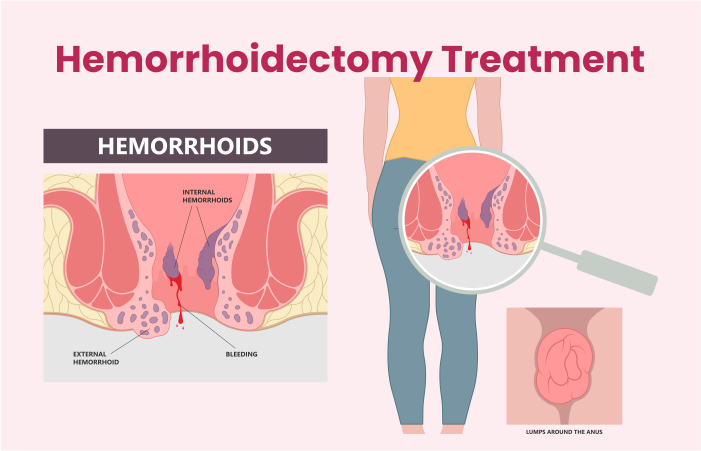
What is Hemorrhoidectomy?
Hemorrhoidectomy is a surgical technique that removes enlarged and irritated blood vessels in the rectal or anal area. It is commonly used to treat severe or recurring hemorrhoids that do not respond to conservative treatments. MedTX Hospitals offers the best hemorrhoid treatment in Hyderabad.
Why it is Performed?
Hemorrhoidectomy is performed for a variety of reasons.
- Persistent Symptoms: If hemorrhoids cause chronic pain, itching, bleeding, or discomfort that significantly impairs quality of life and does not respond to nonsurgical therapy, surgery may be advised.
- Thrombosed Hemorrhoids: If a hemorrhoid forms a blood clot and becomes exceedingly painful, surgical intervention may be required to remove the clot and alleviate the symptoms.
- Huge Hemorrhoids: Surgery may be required for huge hemorrhoids that protrude from the anus and are not properly treated with non-surgical techniques.
- Recurring Hemorrhoids: If hemorrhoids persist despite conservative treatment, a hemorrhoidectomy may be recommended to give long-term relief.
How to Prepare for Hemorrhoidectomy
Preparing for a hemorrhoidectomy comprises numerous steps:
- Medical Evaluation: Your healthcare professional will examine your overall health, perform a physical examination, and may prescribe tests to determine the severity of the hemorrhoids and rule out other illnesses.
- Preoperative Instructions: Prior to surgery, you will be given instructions for fasting, medication modifications, and any necessary bowel preparation.
- Consent and Education: Your healthcare staff will describe the procedure, including risks and consequences, and expected outcomes, as well as answer any questions or concerns you may have. Before proceeding with the surgery, informed consent will be requested.
More About Hemorrhoidectomy
- Surgical procedures: Hemorrhoidectomy can be performed using a variety of procedures, including traditional excisional hemorrhoidectomy and stapled hemorrhoidectomy. The type and severity of hemorrhoids, as well as other factors, influence the approach used.
- Anesthetic: The procedure is usually performed under general or local anesthetic with sedation.
- Recovery and Follow-up: Following surgery, you will spend time in a recovery area before being released. Pain relievers, stool softeners, and dietary suggestions may be offered. Follow-up appointments will be organized to monitor your recovery and treat any postoperative issues.
Consequences of Delaying Hemorrhoidectomy
- Persistent Symptoms: Postponing hemorrhoidectomy might extend the discomfort, pain, bleeding, and other symptoms associated with hemorrhoids, affecting your daily activities and quality of life.
- Hemorrhoids can worsen if left untreated, becoming larger and potentially leading to more severe complications such as hemorrhoidal prolapse (protrusion) or the formation of blood clots within them.
- Chronicity of Symptoms: Chronic hemorrhoids are more difficult to treat with non-surgical therapy alone. Delaying surgery may result in a protracted period of conservative therapy without attaining acceptable relief.
Frequently Asked Questions (FAQs)
A hemorrhoidectomy is a surgical technique that removes hemorrhoids, which are enlarged blood vessels in the rectum or anus. It is typically advised for severe or recurring hemorrhoids that have not responded to conservative therapy.
If you suffer from persistent or recurring hemorrhoids that cause significant pain, bleeding, or other symptoms, your doctor may recommend a hemorrhoidectomy. Conservative treatments such as dietary changes, topical creams, and lifestyle changes are typically tried first, but if they do not provide relief, surgery may be considered.
The recovery duration after a hemorrhoidectomy varies, but most patients should expect some discomfort and suffering in the first few days after surgery. Your doctor will advise you on how to manage your discomfort, make dietary changes, and practice good hygiene. Rest, avoid strenuous activity, and follow your doctor's post-operative care advice to ensure a smooth recovery.
A hemorrhoidectomy, like any other surgical operation, carries some hazards. Complications may include bleeding, infection, trouble urinating, fecal incontinence, anal canal constriction, or hemorrhoidal recurrence. However, significant problems are uncommon, and your surgeon will take precautions to reduce chances.
While a hemorrhoidectomy aims to permanently remove hemorrhoids, there is a small chance that new hemorrhoids will form in the future. Following a high-fiber diet, practicing good bowel habits, staying hydrated, and avoiding prolonged sitting or straining during bowel movements can all help prevent hemorrhoids from recurring.