- +91 63054 35011
- info@medtx.in/operations@medtx.in
- HYD, TS

Rotator Cuff Surgery
Rotator cuff surgery is a procedure to repair a torn or damaged rotator cuff, the group of tendons and muscles that stabilize the shoulder joint. It can be performed using open surgery, minimally invasive arthroscopy, or a combination of both, depending on the injury’s severity. Recovery involves physical therapy and may take several months for full strength and mobility. The surgery relieves pain, restores shoulder function, and prevents further damage. It is highly effective for improving quality of life and shoulder health.

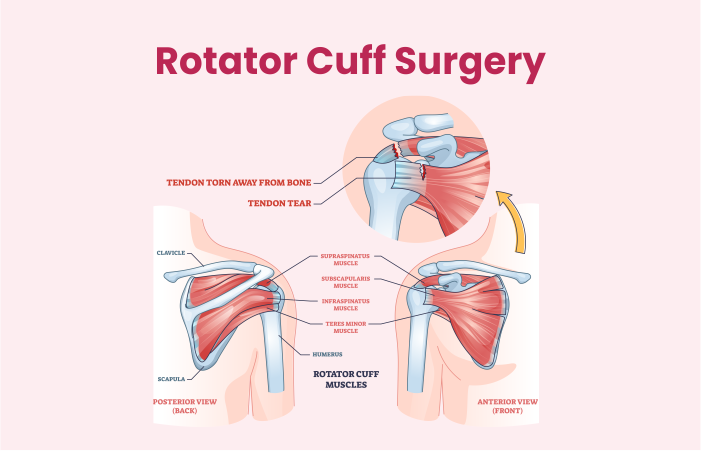
Rotator Cuff Surgery
Welcome to our landing page for rotator cuff surgery in Hyderabad. We are happy to provide innovative arthroscopic rotator cuff repair methods, as well as a staff of highly skilled shoulder surgeons who specialize in giving the best possible care to patients suffering from rotator cuff issues. In this post, we will go over everything you need to know about rotator cuff surgery, including its purpose, why it is performed, how to prepare for the procedure, and the risks of delaying treatment.
What is Rotator Cuff Surgery?
Rotator cuff surgery is a treatment used to repair a torn rotator cuff, which is a collection of muscles and tendons that surrounds the shoulder joint. The rotator cuff is essential for shoulder stability and movement. Damaged or torn rotator cuffs can cause shoulder pain, weakness, and limited movement.
Why is Rotator Cuff Surgery Performed?
Rotator cuff surgery is done for a variety of reasons, including:
- Relieving pain: A torn rotator cuff can be extremely painful, especially while performing certain movements or activities. Surgery seeks to relieve discomfort and improve shoulder function.
- Restoring shoulder strength and mobility: A torn rotator cuff can weaken the shoulder and limit its range of motion.
- Preventing further damage: If not treated properly, a torn rotator cuff can develop over time, resulting in problems such as muscle atrophy, arthritis, or irreversible loss of function. Surgery is intended to prevent future damage and preserve shoulder function.
How to Prepare for Rotator Cuff Surgery?
To ensure a successful procedure and a smooth recovery, several steps must be taken before rotator cuff surgery. Here are some major elements of the preparatory process:
- Consultation and evaluation: You’ll meet with a shoulder surgeon who specializes in rotator cuff surgery. They will assess your condition, analyze your medical history, and go over the surgical procedure in detail. This is an opportunity to ask questions and voice any concerns you may have.
- Pre-operative instructions: Your healthcare team will provide you precise advice for preparing for the procedure. This may include fasting rules, medication modifications, and suggestions for any required pre-operative testing or evaluations.
- Arranging post-operative care: It is critical to plan for post-operative care and support throughout the recovery period, which may include arranging for transportation to and from the hospital, assistance with everyday activities, and setting up follow-up appointments with your surgeon.
More About Rotator Cuff Surgery in Hyderabad
Our clinic in Hyderabad is dedicated to giving the best possible treatment to patients undergoing rotator cuff surgery. Our expert shoulder surgeons use modern arthroscopic procedures to repair damaged rotator cuffs with minimal invasiveness and shorter recovery times. To obtain the greatest results, we prioritize patient comfort, safety, and tailored treatment regimens.
Consequences of Delaying Rotator Cuff Surgery
Delaying rotator cuff surgery has various risks, including:
- Increased pain and discomfort: A torn rotator cuff can cause long-term pain and discomfort, limiting everyday activities and quality of life. Delaying surgery increases the duration of pain and may necessitate more comprehensive therapy in the future.
- Loss of shoulder function: Torn rotator cuffs can cause shoulder function loss and reduced range of motion if not treated promptly. This can have an impact on your ability to complete normal duties, work, or engage in recreational activities.
- Worsening of the tear: Delaying surgery may cause the rip to worsen over time. This may result in larger and more complex tears, necessitating more extensive surgical operations to restore the damage.
- Secondary complications: Rotator cuff injuries that are not treated or addressed might result in shoulder impingement, muscle imbalances, or joint instability. These problems can worsen shoulder function and extend the rehabilitation process.
If you are suffering symptoms of a rotator cuff tear or have been diagnosed with a rotator cuff injury, it is critical to get medical assistance immediately and investigate the best treatment options. Our committed shoulder surgeons are here to give you with skilled care, tailored treatment programs, and the finest possible results from rotator cuff surgery.
Frequently Asked Questions (FAQs)
Your surgeon will give you precise instructions and a rehabilitation plan to help you heal and restore strength and movement in your shoulder. The recovery period varies based on the size of the tear, the surgical approach employed, and the individual's healing characteristics. In general, the shoulder can take from weeks to months to fully heal.
It is normal to have some pain and discomfort following rotator cuff surgery. During the early stages of recuperation, your surgeon will prescribe pain medication to alleviate your discomfort. As the healing process advances, the pain will progressively fade. Physical therapy and rehabilitation exercises can also assist to alleviate discomfort and improve shoulder function.
It is generally recommended that you avoid driving for a period of time after surgery, usually until you restore sufficient strength and mobility in your shoulder. Your surgeon will provide you specific advice for driving limitations and when it is safe to resume driving.
As with any surgical operation, there are some risks and problems. Infection, hemorrhage, nerve injury, stiffness, and repair failure are all potential complications. Complications are uncommon, and your surgeon will take the appropriate procedures to reduce these risks. It is critical that you properly follow your surgeon's instructions and attend follow-up consultations to ensure appropriate healing and address any issues.
The purpose of rotator cuff surgery is to relieve pain, improve shoulder function, and regain strength and mobility. While many patients see significant improvement, the level of healing varies based on several factors. Your surgeon will give you realistic expectations based on your specific condition and surgical outcome.