- +91 63054 35011
- info@medtx.in/operations@medtx.in
- HYD, TS

Septoplasty Surgery
Septoplasty surgery is a procedure to correct a deviated septum, which is the cartilage and bone that divides the nasal passages. It involves repositioning or removing parts of the septum to improve airflow and relieve symptoms like nasal congestion, difficulty breathing, or sinus infections. The surgery is typically performed under general or local anesthesia and can be done through the nostrils, leaving no external scars. Recovery usually takes 1-2 weeks, with follow-up care to monitor healing. Septoplasty improves breathing and overall nasal function.

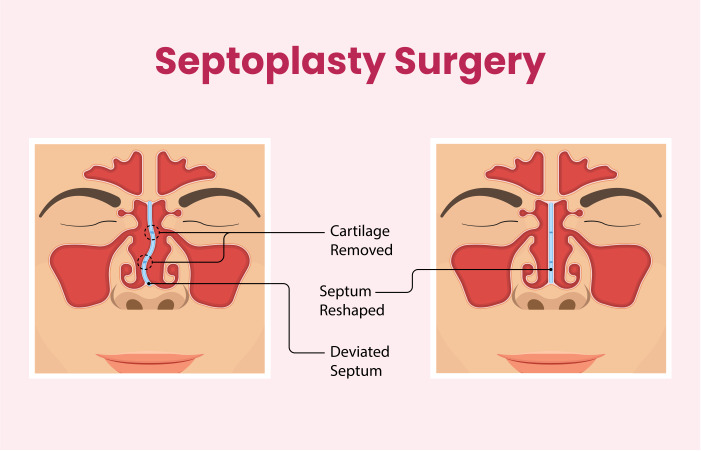
Septoplasty Surgery
Welcome to MedTX Hospitals, Hyderabad’s leading provider of septoplasty surgery and comprehensive nose treatment. Our facility is well-known for its superior medical competence and cutting-edge facilities, making it the ideal choice for patients seeking effective septoplasty treatment. With a team of highly skilled septoplasty specialists, we provide comprehensive treatment and ensure the best possible results. In this article, we will discuss septoplasty surgery, including its goal, why it is conducted, how to prepare for the treatment, and the repercussions of postponing the surgery.
What is Septoplasty Surgery?
Septoplasty surgery is a technique that corrects a deviated nasal septum. The nasal septum is a thin wall of bone and cartilage that separates the nostrils. When it is deviated or misplaced, it can impede the nasal canal and cause a variety of symptoms, including trouble breathing, snoring, recurring sinus infections, and nasal congestion. Septoplasty aims to straighten and realign the septum, increasing airflow and relieving symptoms.
Why is Septoplasty Surgery Performed?
Septoplasty surgery is performed for a variety of purposes, including:
- Restoring nasal function: A deviated septum can obstruct normal airflow through the nasal passages, making breathing difficult. Septoplasty restores normal nasal function, allowing for better airflow and breathing.
- Relieving nasal congestion: A deviated septum can lead to chronic nasal congestion, lowering quality of life. Septoplasty surgery relieves nasal congestion and allows for easier breathing.
- Treating recurrent sinus infections: A deviated septum might produce an environment conducive to recurring sinus infections. Septoplasty, which corrects septal deviations, can help lessen the frequency and severity of sinus infections.
How to Prepare for Septoplasty Surgery?
To ensure a safe and successful septoplasty surgery, certain steps must be taken before the procedure. Here are some important parts of the preparation process.
- Consultation and evaluation: You will meet with an ENT expert from MedTX Hospitals who specializes in septoplasty. They will assess your condition, go over your symptoms and medical history, and describe the surgery in detail.
- Pre-operative instructions: Your healthcare team at MedTX Hospitals will provide you specific instructions to help you prepare for surgery. This may involve following fasting requirements, making medication modifications, and avoiding specific drugs that can interfere with surgery or anesthesia.
- Medical evaluation: Your surgeon will perform a complete medical exam to examine your overall health and detect any pre-existing disorders that may affect the surgery. Blood tests, radiological scans, and consultations with other specialists may be required as part of this review.
More About Septoplasty Surgery at MedTX Hospitals
MedTX Hospitals is proud of its highly experienced team of ENT physicians who specialize in septoplasty surgery. Our surgeons have significant experience performing septoplasty procedures, and they are assisted by a specialized team of healthcare specialists. We prioritize patient safety and comfort by deploying cutting-edge medical technology and adhering to the highest levels of care.
Consequences of Delaying Septoplasty Surgery
Delaying septoplasty surgery has several consequences, including:
- Persistent symptoms: A deviated septum can result in chronic symptoms such as nasal congestion, trouble breathing, snoring, and recurring sinus infections. Delaying surgery increases the length of these symptoms and can lower your quality of life.
- Worsening nasal deformity: A deviated septum can sometimes result in an obvious nasal deformity. Delaying septoplasty surgery may aggravate the malformation, necessitating more extensive surgical operations to repair it in the future.
- Increased risk of complications: A deviated septum can lead to chronic sinusitis, nasal polyps, and sleep apnea. Delaying septoplasty surgery raises the likelihood of these problems, which may necessitate extra therapies to adequately control them.
Do not postpone your treatment any further. Contact MedTX Hospitals to schedule an appointment with one of our renowned ENT experts. We are committed to providing you with the best possible care and helping you toward maximum nose health and performance. Learn more about septoplasty surgery and get the best results at MedTX Hospitals, the go-to place for comprehensive nose treatment.
Frequently Asked Questions (FAQs)
The duration of septoplasty surgery varies according to the complexity of the specific situation. On average, the procedure takes 1 to 2 hours.
Septoplasty can be done under general anesthesia or local anesthetic with sedation, depending on the surgeon's recommendation and the patient's unique requirements.
The healing period following septoplasty surgery normally lasts 1 to 2 weeks. During this time, patients may feel edema, congestion, and slight discomfort. Most people can resume normal activities after a week or two, but vigorous physical activities should be avoided for a few weeks.
Yes, septoplasty surgery aims to improve nasal airflow and respiration. Straightening the deviated septum helps to relieve nasal congestion and breathing issues.
Septoplasty, like any other surgical surgery, is not without risk. These may include bleeding, infection, scarring, changes in nasal shape or symmetry, and the recurrence of nasal obstruction. However, these issues are relatively uncommon, and your surgeon will take all necessary efforts to reduce any potential dangers.
Septoplasty surgery aims to improve nasal airflow and alleviate related symptoms. While most people report significant alleviation from nasal congestion and breathing issues, individual results may differ. It is critical to have realistic expectations and share your objectives with the surgeon at the appointment.
Yes, septoplasty surgery can be done with other nose surgeries as needed. If you have nasal polyps or a deviated exterior nasal structure, your surgeon may propose additional treatments like polypectomy or rhinoplasty.
Insurance coverage for septoplasty surgery varies depending on your insurance provider and policy restrictions. Before getting the operation, it is essential that you visit with your insurance carrier to go over the terms of your coverage.
To choose the best septoplasty surgeon in Hyderabad, evaluate their experience, expertise, credentials, patient feedback, and the hospital or clinic's reputation. Before undergoing surgery, you should schedule a consultation to discuss your individual case and feel confident in the surgeon's ability.