- +91 63054 35011
- info@medtx.in/operations@medtx.in
- HYD, TS

Thyroidectomy Surgery
Thyroidectomy surgery is the removal of all or part of the thyroid gland to treat conditions like thyroid cancer, large goiters, or hyperthyroidism. The procedure is performed under general anesthesia and may involve partial (lobectomy) or complete removal of the gland. Recovery typically takes 1-2 weeks, with patients possibly requiring lifelong thyroid hormone replacement if the entire gland is removed. The surgery alleviates symptoms, prevents complications, and improves overall health. Post-operative care ensures proper healing and hormonal balance.

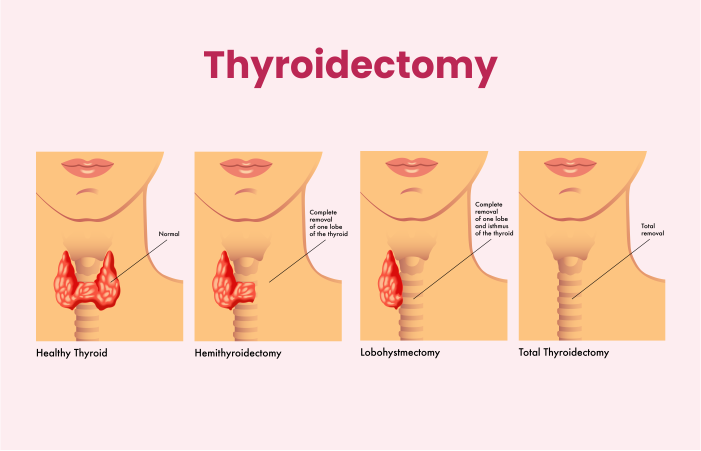
Thyroidectomy Surgery
Welcome to MedTX Hospitals, the premier destination for thyroid surgery and complete thyroid treatment in Hyderabad. Our facility is well-known for its superior medical competence and cutting-edge facilities, making it the ideal choice for patients looking for effective thyroidectomy therapy. With a team of highly skilled thyroid surgeons, we provide thorough care and guarantee the best possible results. This article will provide you with important information regarding thyroidectomy surgery, such as its aim, why it is conducted, how to prepare for the process, and the repercussions of postponing it.
What is Thyroidectomy Surgery?
Thyroidectomy surgery is a technique that removes all or part of the thyroid gland. The thyroid gland, located near the front of the neck, generates hormones that control a variety of biological activities. Thyroidectomy may be indicated for a variety of reasons, including thyroid cancer, benign thyroid nodules, hyperthyroidism, or an enlarged thyroid gland that causes discomfort or difficulty breathing or swallowing.
Why is Thyroidectomy Surgery Performed?
Thyroidectomy surgery is performed for a wide range of causes, including
- Thyroid Cancer: If thyroid cancer is discovered, surgical excision of the thyroid gland may be advised as part of the treatment strategy.
- Benign Thyroid Nodules: Large or symptomatic benign nodules that cause difficulties swallowing, breathing, or speaking may necessitate thyroidectomy for relief.
- Hyperthyroidism: If medication or other treatments do not adequately control hyperthyroidism, surgical removal of the thyroid gland may be required.
How to Prepare for Thyroidectomy Surgery?
To ensure a safe and successful thyroidectomy surgery, numerous steps must be taken before the procedure. Below are some parts of the preparation process:
- Consultation and Evaluation: You will meet with a thyroid surgeon from MedTX Hospitals who specializes in thyroidectomy surgery. They will assess your condition, go over your symptoms and medical history, and describe the surgery in detail.
- Pre-operative Testing: Your healthcare team at MedTX Hospitals may perform a variety of tests, like as blood tests, imaging scans, and fine-needle aspiration biopsies, to assess the condition of your thyroid gland and determine whether you are medically fit for surgery.
- Medication and Fasting: Your surgeon will give you precise instructions about any medications that need to be modified or discontinued prior to surgery, and you may be needed to fast for a certain amount of time.
More About Thyroidectomy Surgery at MedTX Hospitals
At MedTX Hospitals, we take pride in our team of highly skilled thyroid surgeons who specialize in thyroidectomy surgery. Our surgeons have extensive experience performing various types of thyroidectomy procedures, including hemithyroidectomy, total thyroidectomy, and subtotal thyroidectomy. We prioritize patient safety and comfort, using advanced surgical techniques and cutting-edge equipment to achieve the best results.
Consequences of Delaying Thyroidectomy Surgery
Delaying thyroidectomy surgery has several repercussions, including:
- Progression of Thyroid diseases: Postponing surgery for thyroid cancer or other thyroid diseases might allow the disease to progress, potentially leading to complications or spreading to other parts of the body.
- Symptoms worsen: Delaying surgery for patients with symptomatic benign thyroid nodules or an enlarged thyroid gland might cause persistent discomfort, trouble swallowing, breathing problems, or voice changes.
- Increased Risk of Complications: Delaying thyroidectomy surgery may raise the risk of complications, particularly if the illness worsens over time. This can complicate the surgery and raise the risk of postoperative problems.
Do not postpone your treatment any further. Contact MedTX Hospitals to schedule a consultation with our renowned thyroid surgeons. We are committed to providing you with the best possible care and helping you toward optimal thyroid health. Learn more about thyroidectomy surgery and get the best results at MedTX Hospitals, Hyderabad’s go-to place for thyroid procedures.
Frequently Asked Questions (FAQs)
The duration of thyroidectomy surgery varies according on the unique case and the complexity of the treatment necessary. On average, the operation takes between 2 and 3 hours.
In most circumstances, patients must stay in the hospital for a day or two after thyroidectomy surgery. However, the length of the hospital stay varies according to individual circumstances and the surgeon's prescription.
The healing period following thyroidectomy surgery varies per patient. Typically, it takes 1 to 2 weeks to fully recover. During this time, individuals may feel discomfort, edema, and transient changes in their voice. To ensure a smooth recovery, follow your surgeon's post-operative care instructions carefully.
Thyroidectomy surgery, like any other surgical operation, carries the possibility of complications. These can include bleeding, infection, harm to surrounding structures, voice changes, and low calcium levels. However, these dangers are quite uncommon and can be reduced with the help of a trained thyroid surgeon.
The scope of the thyroidectomy surgery determines the need for thyroid medication afterward. If your thyroid gland is completely removed, you will have to take thyroid hormone replacement medication for the rest of your life. If only a piece of the thyroid is removed, your surgeon will determine whether medication is required based on your individual needs.
Yes, most people can live a normal, healthy life following thyroidectomy surgery. Thyroid hormone levels can be efficiently controlled with adequate medicine and follow-up treatment, allowing people to retain their energy and overall well-being.
Thyroidectomy surgery often entails making an incision in the lower neck, which may leave a visible scar. However, the scar fades with time and is commonly covered by clothing or jewelry. Your surgeon will take steps to reduce scarring and offer advice on scar care.