- +91 63054 35011
- info@medtx.in/operations@medtx.in
- HYD, TS

Tubal Ligation Surgery
Tubal ligation surgery, commonly known as “getting tubes tied,” is a permanent method of contraception. The procedure involves blocking or sealing the fallopian tubes to prevent eggs from reaching the uterus. It can be performed using minimally invasive laparoscopic techniques or during childbirth via a small abdominal incision. Recovery is quick, with most patients resuming normal activities within a week. Tubal ligation is highly effective, offering a long-term solution for women seeking permanent birth control.

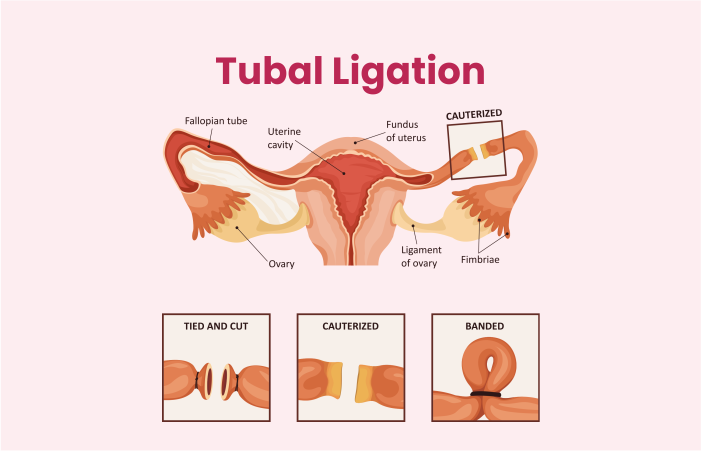
Tubal Ligation Surgery
Welcome to MedTX Hospitals, Hyderabad’s finest tubal ligation surgery and reversal center. Our facility is renowned for its superior medical competence and cutting-edge facilities, making it the first choice for people seeking reproductive health treatments. With a staff of highly qualified specialists that specialize in tubal ligation procedures, we provide complete care and guarantee the best possible results. In this article, we will discuss tubal ligation surgery, including its aim, why it is conducted, how to prepare for the procedure, and the implications of postponing the surgery.
What is Tubal Ligation Surgery?
Tubal ligation surgery, often known as tubectomy or having one’s “tubes tied,” is a type of permanent female sterilization. It entails shutting or restricting the fallopian tubes to prevent eggs from entering the uterus and thereby preventing conception. The surgery can be done using a variety of procedures, including laparoscopic tubal ligation, which involves making small incisions and using a laparoscope to access and shut the fallopian tubes.
Why is Tubal Ligation Surgery Performed?
Tubal ligation surgery is performed for a variety of purposes, including:
- Contraception: Tubal ligation is an extremely efficient form of permanent contraception. It gives women long-term birth control without the need for other contraceptives.
- Desire for permanent sterilization: Desire for permanent sterilization: Some women opt for tubal ligation as a permanent means of birth control when they have reached their preferred family size or do not wish to have any more children.
How to Prepare for Tubal Ligation Surgery?
Tubal ligation surgery preparation entails a number of measures that must be taken to guarantee a safe and successful outcome. Here are some key parts of the preparatory process:
- Consultation and evaluation: You will meet with a gynecologist at TX Hospitals who specializes in tubal ligation. They will review your medical history, discuss your reproductive goals, and thoroughly explain the procedure.
- Medical evaluation: Your healthcare team will perform a complete medical examination to check your general health and detect any pre-existing problems that may affect the surgery. Blood tests, radiological scans, and consultations with other specialists may be required as part of this review.
- Pre-operative instructions: You will be given detailed instructions on how to prepare for the surgery, such as fasting guidelines and any necessary medication modifications.
More About Tubal Ligation Surgery at MedTX Hospitals
MedTX Hospitals takes pride in its highly skilled staff of gynecologists who specialize in tubal ligation procedure. Our doctors have vast experience performing tubal ligations and are assisted by a skilled team of healthcare experts. We prioritize patient safety and comfort by deploying cutting-edge medical technology and adhering to the highest levels of care.
Consequences of Delaying Tubal Ligation Surgery
Delaying tubal ligation surgery can have a number of outcomes, including:
- Unwanted pregnancies: Delaying tubal ligation raises the chance of unintended pregnancies for women who want permanent sterilization. To achieve effective contraception, the operation must be carried out on time.
- Reliance on other contraceptive methods: Postponing tubal ligation surgery may force women to rely on alternative contraceptives, such as hormonal birth control or barrier techniques, which may not be their chosen option or may have related negative effects.
- Emotional and psychological impact: For women who have reached their intended family size, delaying tubal ligation surgery can create emotional stress and worry since it prolongs the requirement for continuing contraception and uncertainty about future pregnancies.
Frequently Asked Questions (FAQs)
Tubal ligation surgery, sometimes known as "getting your tubes tied," is a surgical treatment that permanently prevents pregnancy. It involves sealing or restricting the fallopian tubes, which transport eggs from the ovaries to the uterus.
Tubal ligation surgery can be performed using a variety of procedures, including laparoscopy and mini-laparotomy. Laparoscopy involves making small incisions near the navel and inserting a thin tube with a camera to visualize the fallopian tubes. The tubes are subsequently sealed, cut, or obstructed using a variety of techniques. A minor incision in the lower abdomen is created during a mini-laparotomy to gain access to the fallopian tubes.
Tubal ligation surgery is used as a permanent type of contraception for people who no longer want to have children or who choose not to use other temporary birth control techniques. It offers an extremely effective method of preventing pregnancy.
Tubal ligation surgery is regarded as a highly effective technique of contraception, with a minimal failure rate. However, there is still a slight risk of becoming pregnant following the operation. It is critical to review success rates and potential hazards with your healthcare professional.
While tubal ligation surgery is supposed to be permanent, there are some alternatives for reversing the procedure. However, success rates for reversal treatments varied and are determined by a variety of circumstances, including the type of tubal ligation performed and the time following surgery. Reversal methods may not always restore fertility, thus the decision to undergo one should be carefully weighed.
Tubal ligation surgery costs might vary depending on the hospital or clinic, surgeon fees, procedure type, and any other medical expenses. It is best to talk with your healthcare practitioner or contact the hospital directly to find out the particular cost.
Your healthcare practitioner will provide you detailed advice on how to prepare for tubal ligation procedure. This could include fasting prior to the procedure, discontinuing certain medications, and arranging for someone to accompany you to and from the hospital. To ensure a successful procedure, carefully follow these recommendations.
Tubal ligation surgery, like any other surgical operation, is not without danger. Bleeding, infection, injury to surrounding organs or structures, anesthesia-related side effects, and regret about undergoing permanent contraception are all possible problems. It is critical to discuss the potential hazards with your healthcare physician before to the surgery.
Tubal ligation surgery does not usually disrupt the menstrual cycle. Following the operation, your periods should resume as usual, and your hormonal balance should be undisturbed. If you notice any changes or have any questions about your menstrual cycle, please talk with your healthcare professional.
Yes, tubal ligation surgery can be performed on someone who has never given birth. The decision to get the treatment is personal and should be addressed with your healthcare professional. They will assess your unique circumstances and offer advice tailored to your needs.