- +91 63054 35011
- info@medtx.in/operations@medtx.in
- HYD, TS

Varicose Veins Surgery
Varicose veins surgery treats swollen, twisted veins that cause pain, swelling, or cosmetic concerns. Common procedures include laser therapy, sclerotherapy, or vein stripping, depending on the severity. These methods close or remove the affected veins, redirecting blood flow to healthier veins. The surgery is typically outpatient and performed under local or general anesthesia. Recovery is quick, with most patients resuming normal activities within a few days. The treatment alleviates symptoms, improves circulation, and enhances leg appearance.

What is Varicose Veins Surgery?
Varicose vein surgery, also called varicose vein stripping or ligation, is a surgical procedure used to treat varicose veins. Varicose veins are swollen, twisted veins that usually appear in the legs and can cause pain, discomfort, and cosmetic issues. MedTX Hospitals offers high success rate piles surgeries.
Why is Varicose Vein Surgery Performed?
Varicose vein surgery is performed for a variety of reasons.
- Symptom Relief: Varicose veins can cause discomfort, soreness, heaviness, swelling, and leg tiredness. Surgery is intended to reduce these symptoms and enhance overall leg comfort.
- Complications: If left untreated, varicose veins can cause skin ulcers, blood clots, and bleeding. Surgery can help prevent or reduce these problems.
- Varicose veins can be unsightly, and surgery can help improve the appearance of the affected leg(s).
How to Prepare for Surgery
Preparing for varicose vein surgery consists of several steps:
- Medical Evaluation: Your healthcare provider will assess your overall health, perform a physical examination, and may order diagnostic tests like ultrasound to determine the extent and severity of your varicose veins.
- Preoperative Instructions: You will receive specific instructions regarding fasting, medication adjustments, and any necessary preparation before the surgery, such as shaving the surgical area or wearing compression stockings.
- Consent and Education: Your healthcare team will describe the surgical process, its risks and consequences, and expected outcomes, as well as answer any questions or concerns you have. Before proceeding with the surgery, informed consent will be requested.
More About Varicose Vein Surgery
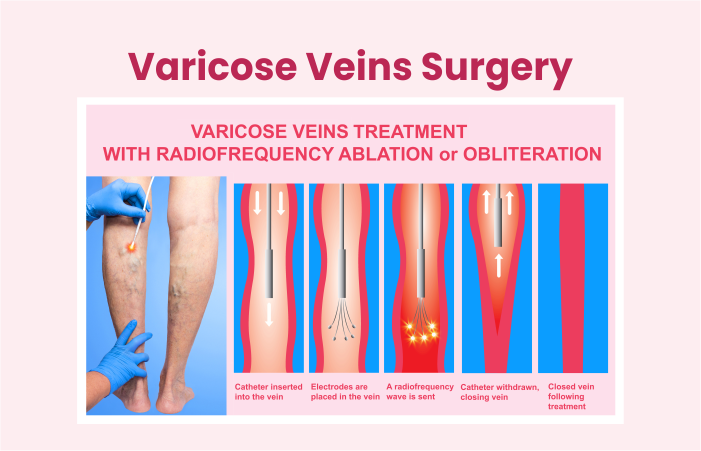
- Surgery Techniques: It can include a variety of treatments, such as vein ligation and stripping, ambulatory phlebectomy, and endovenous operations including endovenous laser treatment (EVLT) or radiofrequency ablation. The size, location, and severity of the varicose veins, as well as the surgeon’s expertise and preferences, all influence the approach chosen.
- Anesthesia: Surgery can be conducted under general anesthesia, local anesthesia plus sedation, or even local anesthesia alone, depending on the scope of the treatment and the particular patient’s needs.
- Recovery and Follow-up: Following surgery, you will spend time in a recovery area before being discharged. Pain medications, compression stockings, and activity limitations may be prescribed. Follow-up appointments will be organized to monitor your recovery and treat any postoperative issues.
Consequences of Delaying Varicose Vein Surgery
- Progression of Symptoms: Postponing varicose vein surgery can cause symptoms such as pain, edema, and discomfort to worsen over time, affecting your quality of life and activities.
- Complications: If not treated, varicose veins can cause skin ulcers, blood clots, and bleeding. Delaying surgery may increase the likelihood of experiencing these problems.
- Cosmetic Concerns: Varicose veins can alter the appearance of the legs. Delaying surgery may prolong the aesthetic issues associated with varicose veins.
Frequently Asked Questions (FAQs)
Varicose vein surgery, often called vein stripping or phlebectomy, is a surgical treatment used to treat varicose veins. To enhance blood circulation and treat varicose vein symptoms, the problematic veins are removed or closed during surgery.
It is usually advised when conservative therapies like lifestyle adjustments, compression stockings, and leg elevation fail to offer relief, or if the varicose veins are causing considerable pain, discomfort, or problems including skin ulcers or bleeding. Your doctor will evaluate your condition and offer the best treatment option.
Varicose veins are treated with a variety of surgical procedures, including vein ligation and stripping, ambulatory phlebectomy, endovenous laser therapy (EVLT), radiofrequency ablation (RFA), and foam sclerotherapy. The size, position, and severity of the varicose veins, as well as specific patient variables, all influence the decision to have surgery.
The healing phase after surgery varies according to the type of surgery performed and individual characteristics. Patients should expect some soreness, bruising, and edema in the treated area for several days to weeks. Your surgeon will advise you on pain management, activity limits, and the use of compression stockings to aid healing. To ensure a smooth recovery, follow these tips.
Varicose vein surgery, like any other surgical operation, has the potential for complications. Infection, bleeding, nerve injury, blood clots, skin discoloration, and varicose vein recurrence are some of the potential complications. However, significant problems are uncommon, and your surgeon will take the appropriate procedures to reduce risks.